
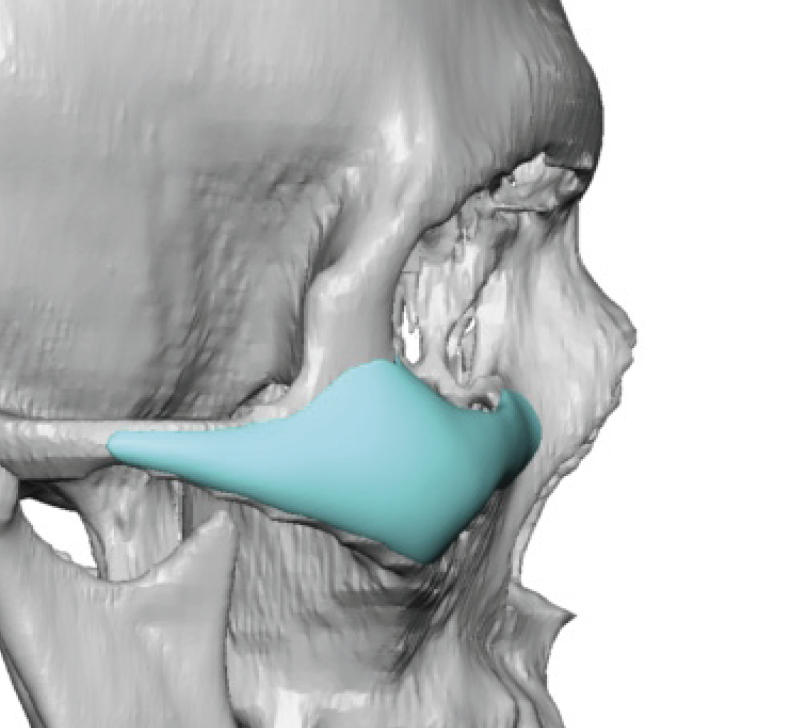
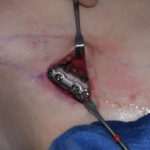
The zygomatic arch is a key structural and aesthetic component of the midface. In cheek augmentation, it influences width, contour, and facial balance—distinct from the forward projection created at the malar eminence.
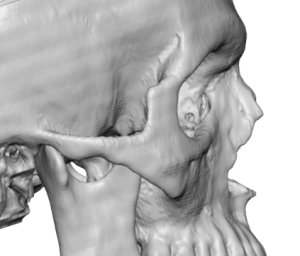
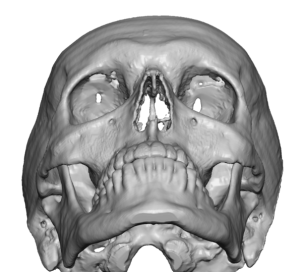 1. Anatomical foundation
- Formed by the zygomatic bone and temporal bone
- Defines the lateral cheek contour and contributes to facial width
- Serves as an attachment site for the masseter muscle, linking aesthetics with mastication (although the muscle attachment does not affect the aesthetic augmentation)
2. Aesthetic contribution in augmentation
Cheek augmentation can target two different but complementary zones:
- Malar eminence (anterior cheek) ? forward projection, youthfulness
- Zygomatic arch (lateral cheek) ? width, angularity, and skeletal definition
Augmenting the arch:
- Enhances lateral cheek sweep
- Improves facial balance in patients with flat or narrow midfaces
- Creates a more sculpted, high-cheekbone appearance
- Is especially impactful in three-quarter and profile views
3. Structural support & facial proportions
- A well-defined arch supports the soft tissue envelope of the cheek
- Can counteract age-related midface collapse or hollowing
- Helps restore or create zygoma–mandible harmony, particularly in patients with strong jawlines
4. Surgical considerations
- Standard cheek implants can not create arch augmentation due to their shapes. They create lateral cheek width at the malar eminence only
- Subperiosteal dissection along the zygomatic arch, particularly past the mid-zygomatic arch suture line is challenging due to its curved shape
- Over-augmentation risks an unnatural lateral flare
- Custom or extended malar implants often blend malar + arch augmentation for a continuous contour
- Precise positioning is critical to avoid asymmetry or palpability
5. Patient selection
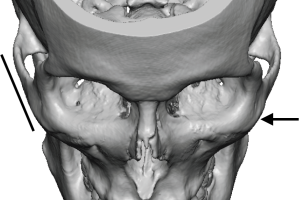 Zygomatic arch augmentation is particularly useful for:
- Patients with congenitally narrow faces
- Patients seeking a high cheekbone look
- Post-traumatic or developmental zygoma deficiency
- Aesthetic goals emphasizing definition and angularity rather than anterior fullness alone
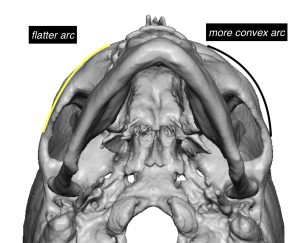 The zygomatic arch plays a pivotal role in some patient’s desire for cheek augmentation by shaping the lateral dimension of the midface. When combined thoughtfully with malar augmentation, it allows for a more three-dimensional, anatomically balanced, and natural-looking cheek enhancement. But toi successfully achieve this aesthetic effect it takes a custom cheek implant design to do so.
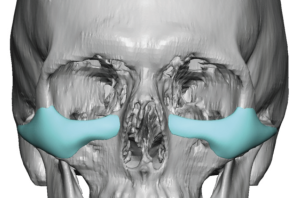
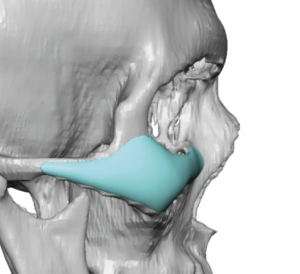 Custom cheek implants are uniquely suited for true zygomatic arch augmentation because they are designed from the patient’s skeletal anatomy rather than adapted from a generic shape. This allows precise control over where and how the arch is enhanced. When there is a significant arch component to the cheek augmentation it is known as an infraorbital-malar (IOM), cheek-arch or extended cheek implant design.
1. Precise skeletal mapping of the arch
- Custom implants are designed from 3D CT scans
- The full zygomatic body ? arch transition is visualized
- Enables accurate augmentation along the lateral sweep of the arch, not just the malar eminence
Why this matters:
The zygomatic arch is curved and thin—standard implants rarely conform to it accurately, limiting effective lateral augmentation.
2. Continuous malar–arch contour
Custom IOM implant designs can:
- Blend anterior malar projection seamlessly into lateral arch width
- Avoid the “malar bump only” look seen with off-the-shelf implants
- Create a smooth, uninterrupted skeletal highlight from front to side view
This continuity is critical for:
- Natural transitions
- Strong three-quarter and oblique facial aesthetics
3. Controlled lateral width (not just projection)
Custom implants allow millimeter-level control over:
- Lateral expansion of the arch
- Vertical height
- Anterior vs posterior fullness
This allows the surgeon to:
- Enhance facial width without over-projecting the cheek forward
- Match arch width to mandibular width for facial harmony
- Avoid feminization or over-widening in male patients (or vice versa)
4. Improved implant fit and stability
Because the implant mirrors the patient’s bone:
- It sits flush against the zygomatic arch
- Reduces risk of:
- Palpability
- Step-offs
- Migration
- Asymmetry
- No need for arch fixation hardware
This is especially important over the arch where the access for screw placement does not exist without a direct skin incision over it.
5. Ability to correct asymmetry and deficiencies
Custom implants can:
- Independently adjust right vs left arch dimensions
- Correct:
- Congenital asymmetry
- Post-traumatic flattening
- Developmental midface deficiency
- Restore symmetry that is impossible with stock implants
6. Safer respect for anatomy
Custom designs allow:
- Avoidance of the zygomaticotemporal nerve
- Preservation of masseter muscle function
- Smooth posterior tapering toward the temporal bone
This reduces complications while maintaining natural movement.
Bottom line
Custom extended cheek implants are the most reliable way to achieve true zygomatic arch augmentation because they:
- Precisely match patient anatomy
- Provide controlled lateral width
- Create a continuous malar–arch contour
- Improve stability and aesthetic predictability
In contrast to standard implants, they allow the surgeon to sculpt the entire cheekbone structure, not just the front of the cheek—producing a more balanced, three-dimensional midface result.
Dr. Barry Eppley
World-Renowned Plastic Surgeon