
Another mechanism behind the “mini-neck-lift” effect of jawline implants involves how they change the tension vectors of the platysma muscle, the main superficial muscle of the neck.
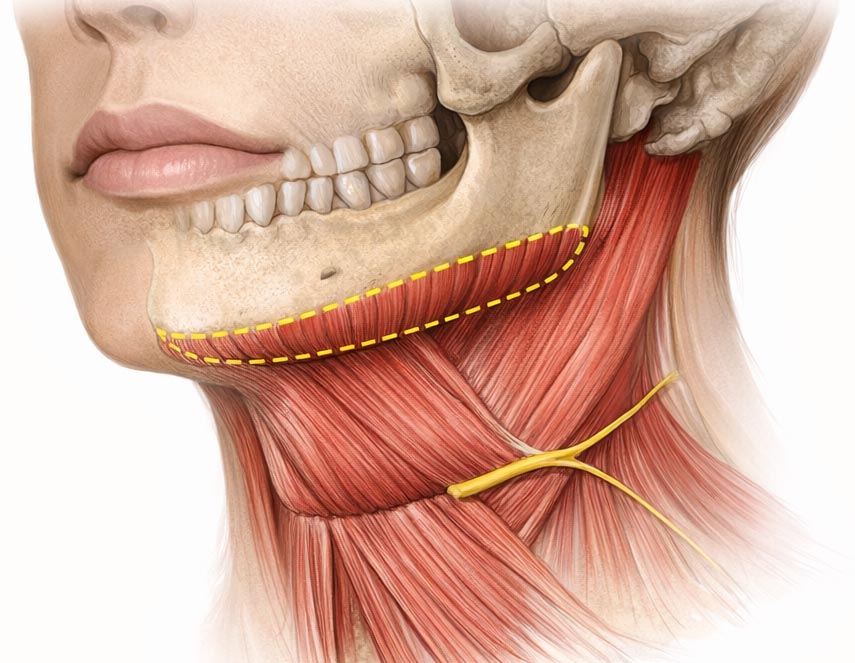
1. The platysma is anchored along the jawline
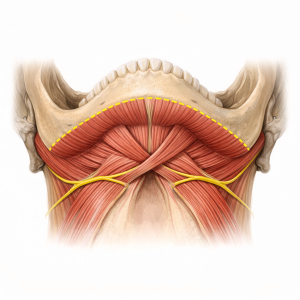
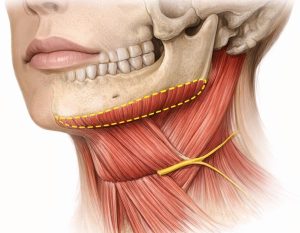 The platysma muscle is a thin sheet that runs from the upper chest and clavicle upward to attach along:
- the inferior border of the mandible
- tissues near the jawline and chin.
Because of this attachment, the shape and position of the mandibular border influence platysma tension.
2. Weak jaws allow platysma laxity
In patients with:
- a recessed chin
- a short mandibular body
- weak jaw angles
the platysma has less structural support along the mandible.
This can cause:
- mild neck sagging
- early submental fullness
- blurring of the jaw–neck transition.
Even in younger patients, a weak skeletal frame can allow the neck tissues to hang more vertically.
3. Jawline implants change the direction of tension
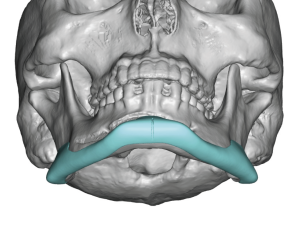 When a jawline implant enlarges the mandible, several things happen:
- the mandibular border projects outward
- the attachment line of the platysma moves forward
- the muscle is stretched across a wider and longer skeletal arc.
This changes the vector of platysma tension.
Instead of hanging downward, the muscle becomes slightly tightened and redirected upward along the jawline.
4. Effect on neck contour
The altered muscle tension can produce:
- flattening of the upper neck
- improved cervicomental angle
- reduced submental bulging.
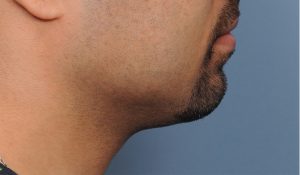
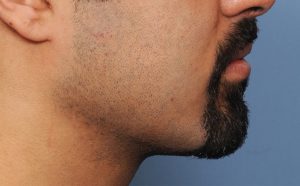 This effect is usually subtle but noticeable, especially when combined with the skin recruitment and skeletal expansion effects discussed earlier.
5. The posterior jaw angle contribution
Jaw angle augmentation is particularly important for the platysma because:
- the lateral platysma fibers interact with tissues near the jaw angle
- increasing jaw angle projection creates lateral support for neck soft tissues.
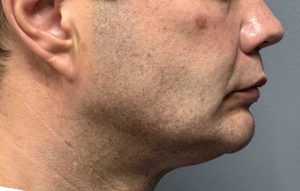
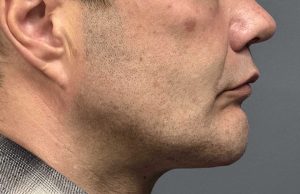 This helps tighten the side of the upper neck, which strongly influences the appearance of the cervicomental angle.
6. Why this effect is patient-dependent
The platysma tension effect works best when:
- platysma tone is still reasonably good
- neck skin excess is limited
- the neck fullness is partly structural rather than purely aging.
If the platysma has significant banding or separation, the effect of implants alone becomes much smaller.
Key idea
Jawline implants don’t just change bone projection—they reposition the attachment line and tension vectors of the platysma muscle, which can subtly tighten the upper neck and improve jaw–neck definition.
Dr. Barry Eppley
Plastic Surgeon