

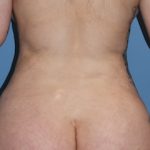
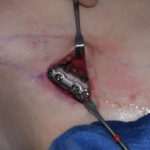
Selecting the correct pectoral implant size is primarily based on the patient’s chest dimensions, tissue thickness, desired projection, and aesthetic goals — not simply implant volume alone.
The most important concept is that implant width and height must fit the chest wall anatomy first, and projection/volume are chosen second. This is often the difference between whether a standard or custom pectiral implant is needed.
Key Measurements Used in Pectoral Implant Sizing
Key concept
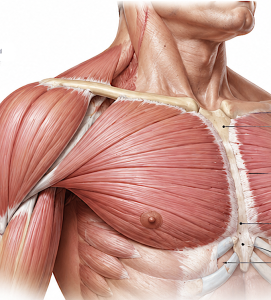
The pectoral implant is largely a submuscular implant. Thus establishing the footprint or outer boundaries of a pectoral implant is determining the four borders of the muscle.
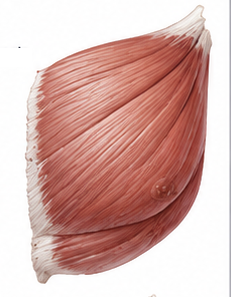
The pectoralis major muscle has a near trapezoid shape.
Implant Footprint
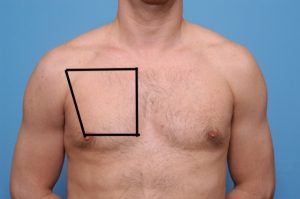
1. Upper Chest Width (Clavicle Length)
Upper width of the pectoralis muscle at the level of the upper axillary crease
The implant should fit:
- From the parasternal border medially
- To the anterior axillary line laterally
- Without extending into the armpit
Typical male upper chest widths:
- Small frame: 13–14 cm
- Average: 15–16 cm
- Broad chest: 17+ cm
2. Lower Muscle Width (Base)
Smaller than superior width, smallest of all four muscle boirders
- From the lower parasternal border medially
- To the nipple laterally
- Should not go more laterally than the nipple
- Never lower than the nipple
3. Medial Sternal Height
- Just below the srernoclavicular joint superomedially
- To the inferior muscle attachment inferiorly at the level of the nipple
4. Lateral Muscle Border
- From the lateral maucle border at the axilla
- Lateral muscke border at the nipple
- Obliquely orienred measurement line
- Longest of all of the muscle borders
Implant Projection
Projection determines how far the chest projects outward. Typical projection ranges:
|
Implant Type |
Projection |
|
Subtle athletic |
1,5 – 2 cm |
|
Moderate enhancement |
2 – 3cm |
|
Large augmentation |
3–3.5 cm |
|
XL/custom |
4+ cm |
Higher projection increases:
- Upper pole fullness
- Side profile prominence
- Incerased implant edge visibility
Implant Shape (Profile)
Contemporary pectoral augmentation desires are:
- Increased upper chest superiorly
- Usually lower projection inferiorly particularly in larger volume implants
- Moderate size implants not exceed lateral muscle border
Broad/barrel chests generally need:
- Wider implants
- Lower profile shape
Flat narrow chests often require:
- Narrower base
- More projection
Implant Volume Ranges
|
Patient Goal |
Approximate Size |
|
Mild athletic enhancement |
200 -250ccs |
| Average augmentation | 250-300ccs |
|
Large augmentation |
300–500ccs |
|
XL/custom look |
600–900cc |
Volume alone is misleading because:
- Size of the muscle varies based on patient height and weight
- Chest shape influences effects of projection
- Shape changes visual effect dramatically
Alternative Sizing Methods
Sizers
Temporary external sizers or intraoperative implant sizers help visualize:
- Projection
- Width
- Symmetry
Only works for the use of standard implants in which the inplants are already available
3D Imaging
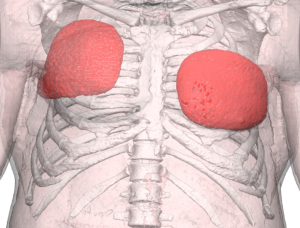
- Useful for replacement of existing pectoral implants when asymmetry or size issues exist
- Custom CAD design
Especially useful for:
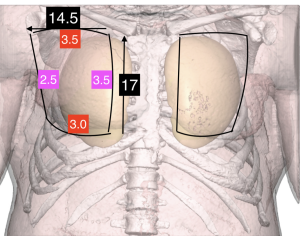
- Bodybuilders
- Asymmetry
- Poland syndrome
- Custom large volume implants
Important Principle
A good pectoral implant should look like:
- Developed pectoralis muscle
- Natural lateral taper
- Smooth upper chest transition
Not:
- Round breast implants on the chest
- Overly spherical fullness
- Excessive medial fullness
Common Sizing Mistakes
Choosing by Volume Alone
“400cc” can look very different depending on:
- Width
- Height
- Projection
- Chest anatomy
Oversizing in thin/smaller patients, Undersizing in taller/bigger patients (far more common size problem)
Can cause:
- Implant visibility
- Palpability
- Animation deformity
- Tissue thinning
Ignoring Arm Movement
Very wide implants may distort during:
- Bench press
- Flexion
- Arm elevation
Practical Sizing Strategy
A common approach:
- Determine maximum safe width
- Select implant height
- Choose desired projection
- Match volume to anatomy
- Test with sizers or simulation if possible
Example
Broad athletic male:
- Upper chest width: 16 cm
- Good muscle coverage
- Wants noticeable enhancement
Possible implant:
- Width: 15.5 cm
- Projection: 4.0 cms
- Volume: 500 – 600cc
Thin male wanting subtle enhancement:
- Width: 13 cm
- Projection: 1.5 – 2.0 cms
- Volume: 250–300cc
General Rule
The best pectoral implant size is:
- The largest implant that fits the chest naturally
- Without visible edges
- Without lateral overextension
- While preserving normal movement and contour
Dr. Barry Eppley
Plastic Surgeon