Top Articles

Eppley-Style Jaw Augmentation Algorithm

    The Eppley-style jaw augmentation algorithm is more granular than typical cosmetic algorithms because it evaluates the mandible as three independent aesthetic units: Chin (central projection) Mandibular body (jawline length/straightness) Jaw angle (width and posterior definition) Treatment is then selected depending on which unit is deficient and whether the deficiency is projection, width, or Read More…
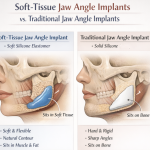
Soft-Tissue Implants for Jaw Angle Augmentation

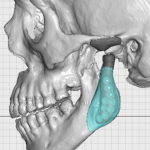
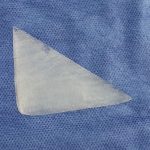
The most common surgical method of jaw angle augmentation is the use of implants. These aesthetic implants have been used for decades and, while generally successful, they carry higher risks compared to most other facial implants. Placed through intraoral incisions beneath the masseter muscle, they are associated with notable risks, including infection, temporary masseter muscle Read More…

Soft Tissue Jaw Angle Implants For Camouflage of Masseteric Muscle Dehiscence

Soft-tissue jaw angle implants can be a very useful solution for masseteric muscle dehiscence, but only in select scenarios and with the right implant design and surgical strategy. The Problem: Masseteric Muscle Dehiscence Masseter muscle dehiscence typically presents as: Soft tissue posteroinferior hollowing at the mandibular angle Can make the bony or implanted jaw angle Read More…

Aesthetic Jaw Augmentation – Comparing Standard vs Custom Implants

Aesthetic augmentation of the lower jaw can be incomplete or complete. Incomplete augmentation is isolated chin or jaw angle augmentation for which there are standard implant styles for each to do so. Complete jaw augmentation involves the entire jawline (chin + jaw angles + mandibular body)) where numerous  implant options are available. What “standard” jaw Read More…

Custom Jaw Angle Implant Overlay After TMJ Replacements for Facial Asymmetry Correction Case Study

Introduction Total temporomandibular joint (TMJ) replacement is a surgical procedure in which a damaged jaw joint is replaced with a biocompatible prosthesis to relieve pain and restore function when conservative treatments have failed. It is most commonly indicated for severe degenerative joint disease, including osteoarthritis and rheumatoid arthritis, as well as advanced joint destruction, deformity, Read More…

Transcutaneous Facelift Scar Placement of Jaw Angle Implants Case Study

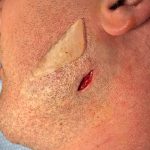
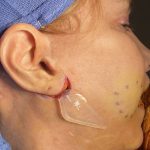
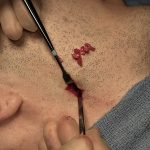
Introduction The external skin approach to placing jaw angle implants is a less commonly used alternative to the more common intraoral approach. Coming from the skin side it provides direct access to the angle of the mandible as well as optimal visualization of the working end of the implant. Transcutaneous access to the mandibular angle Read More…

Transcutaneous Approach to Jaw Angle Implant Asymmetry Correction Case Study

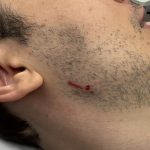
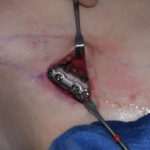
Introduction Jaw angle implant asymmetry, whether resulting from standard implants or a custom jawline implant, is not uncommon. Several factors contribute to this, including limited visibility through the intraoral incision used for placement, incomplete elevation of the masseteric muscle, or unrecognized differences in bony jaw angle morphology. Once full healing has occurred (typically three months Read More…

Top Articles