
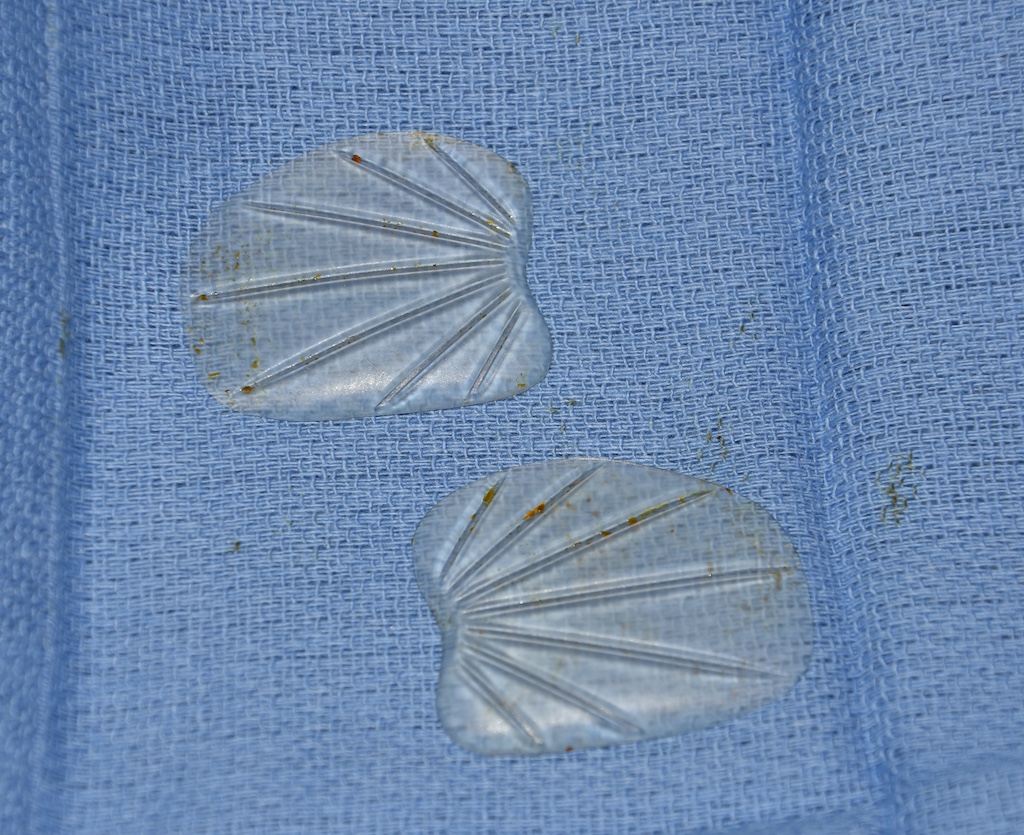
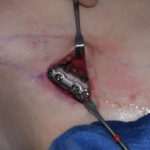
Fullness in the temples plays an important role in a youthful, healthy facial appearance. As we age, volume loss in the temple area can create a hollowed look that makes the upper face appear gaunt, emphasizes bony contours, and can cause the outer eyebrow to droop. Restoring volume in this area can soften the face, improve balance, and subtly lift the outer brow.
Treatment Options
Several options are available to restore temple volume, depending on the degree of hollowing and patient preferences. Like all other forms of facial augmentation they are synthetic fillers, autologous or cadaveric fat or implants
Injectable Fillers
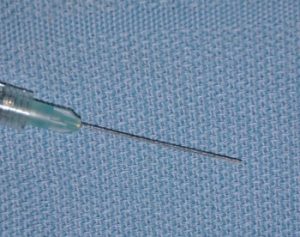 Temporary fillers, most commonly hyaluronic acid, are best for mild to moderate hollowing. They provide immediate improvement, require no surgery, and have minimal downtime. Fillers are reversible and are often used as a first treatment or as a way to preview the effects of volume restoration/aiugmentation. However, results are temporary and require ongoing maintenance treatments.
Fat Grafting
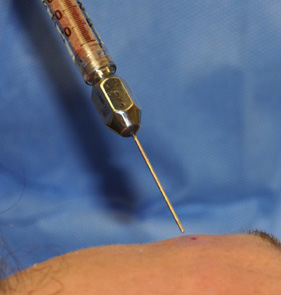 Fat grafting uses the patient’s own fat or newer allogeneic fat material to restore volume and is better suited for moderate to severe hollowing. While results can be long-lasting, the procedure requires minimally invasive surgery, and the amount of fat that survives can be unpredictable. Changes in body weight may also affect long-term appearance.
Temporal Implants
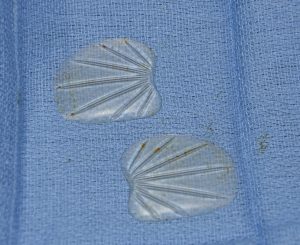
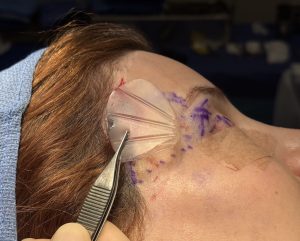 Soft silicone temporal implants are a permanent solution for any degree of temple hollowing and are especially effective in cases of severe volume loss that cannot be adequately corrected with fillers or fat. These implants are designed to feel natural—similar to muscle or fat—and are placed through a small incision hidden in the hairline. They are positioned in a safe anatomical plane and typically do not require fixation. Recovery is longer than with fillers but comparable to fat grafting.
Careful surgical technique and sterile handling are essential to minimize risks. While all surgical procedures carry some risk, temporal implants avoid the rare but serious complications that can occur with injections, such as tissue injury or vision problems.
Preoperative planning, including photographic imaging or prior filler treatments, helps determine the ideal implant size and shape. Some patients may still choose minor filler treatments afterward to fine-tune symmetry.
Temporal implants can be safely combined with facelift surgery or other facial implants to improve overall facial balance and harmony. In some patients, they may also create a subtle lifting effect of the outer eyebrow.
Conclusion
Soft silicone temporal implants provide a safe, reliable, and permanent solution for temple hollowing. When properly planned and placed, they offer natural-looking results, high patient satisfaction, and long-term improvement in facial contour and balance.
Dr. Barry Eppley
World-Renowned Plastic Surgeon