
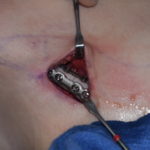
This is the most common and safest sequencing used when refinement procedures are planned after double jaw or bimaxillary surgery. The following is a detailed description of the biologic and logic of how to think about when to consider custom facial implants after facial bone osteotomies.
0–6 weeks | Acute healing phase
What’s happening
- Bone healing begins at osteotomy sites
- Significant swelling, bruising, numbness
- Plates and screws are stabilizing the jaws
What is NOT done
- No aesthetic contour decisions
- No implant planning CTs
- No revision surgery unless urgent
Focus
- Occlusion stability
- Nutrition and hygiene
- Early orthodontic coordination
6 weeks–3 months | Early Consolidation
What’s happening
- Bone union strengthens
- Swelling slowly decreases (still misleading about final face shape)
- Soft tissues remain thick and distorted
What may occur
- Preliminary aesthetic discussion
- Identification of possible deficiencies (cheek, jaw width, chin)
Still avoided
- Any implant designing
- Any permanent facial contour surgery
3–6 months | Transitional assessment phase
What’s happening
- ~60–70% of swelling resolved
- Facial proportions becoming clearer
- Bite typically stable
What can be done
- More accurate aesthetic analysis
- Preliminary 3D CT imaging for discussion only
- Decide whether implants may be beneficial
Usually still waiting
- Any implant designing
6–9 months | Definitive planning window
This is the key stage
What’s happening
- Bone fully healed
- Soft tissues largely settled
- Orthodontic finishing underway or complete
What is done
- High-resolution 3DCT scan for custom implant design
- CAD/CAM planning around existing plates/screws
- Final decisions on implant type and extent
Ideal timing for
- Custom cheek, infraorbital, jaw angle, chin, or wraparound implants
9–12 months | Implant placement
Procedure
- Incisions usually intraoral, submental or lower eyelid depending on implant type
- Existing hardware always left in place
Recovery
- Swelling: 2–4 weeks
- Return to normal activity: ~1–2 weeks
- Final contour: 3–6 months
- More rapid recovery than double jaws surgery
12–18 months | Final refinements (if needed)
Optional
- Minor implant adjustments
- Fat grafting or soft-tissue refinement
- Scar or contour touch-ups
This stage is not always necessary, but available if the issues merit further refonement
Why waiting matters
Placing implants too early risks:
- Malposition due to swelling
- Poor symmetry assessment
- Incorrect size or shape
- Need for revision
Orthognathic surgery changes soft-tissue drape over time—waiting allows the face to “declare itself.”
Summary (at a glance)
- 0–3 months: heal and stabilize
- 3–6 months: observe and assess
- 6–9 months: plan definitively
- 9–12 months: place custom implants
- 12+ months: optional refinements
Dr. Barry Eppley
World-Renowned Plastic Surgeon