Archive for the 'body lift' Category


In some weight loss patients, enough loose skin results that it feels like a suit is hanging off your body. The excess skin exists in a 360 degree fashion from the chest down to the knees. You could call this the ‘sharpee’ syndrome or one that looks like ‘wax melting off a candle’ but , either way, it is uncomfortable living in your skin suit. With this much skin excess, drastic and non-traditional methods of plastic surgery are required.


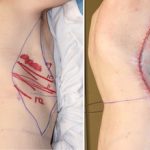
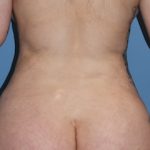
To achieve a balanced body look, no one plastic surgery operation is enough. It requires a combination of procedures at the core of the body to make a dramatic difference. Such a procedure is the body lift. It goes by many different names including the old term belt lipectomy, circumferential body lift or a lower body. Essentially, a body lift reshapes the entire midsection of the body in a circumferential manner. It combines three operations into one, a frontal tummy tuck, a side thigh lift, and a backside buttock lift. Such an approach produces a complete recontouring of the waistline in a 360 degree manner. The effect can only be described as dramatic for every body lift patient. The waistline is narrower, the abdomen is flatter, and the loose skin of the buttock and thighs is lifted. Some of the rolls, wrinkles and cellulite of the legs and buttocks is also improved. While a final scar goes all the way around, that is but a small price to pay for such dramatic improvement.


The body lift is, by far, the most difficult body contouring operation for patient and plastic surgeon alike. Body lifts take a lot of time to perform (4 to 6 hours) and require the patient to be repositioned multiple times throughout the surgery. It takes a lot of cutting and sewing to perform a body lift which is taxing for the plastic surgeon. Patients surprising do not have a lot of pain but they must endure the use of three or four drains after surgery for a few weeks. Patients will feel like they have had their ‘pants lifted’ (sometimes like having a wedgie) and it will feel tight for awhile. Because of the magnitude of a body lift, It is the only body contouring operation I will do in one setting and prefer most patients to spent their first night after surgery in the facility for monitoring, IV fluids, and pain control. One should allow a good three, and preferably four weeks after surgery for recovery before returning to work. I have not yet had a need to do a blood transfusion but it is always a remote possibility.


Because of the length of the scar and the amount of sutures used, every patient will end up with some temporary wound separation problems. This, surprisingly, does not occur until about three weeks after surgery. It is not a question of if it will happen…just when and how much. Most wound separations are allowed to heal on their own with the use of dressings.


Dr. Barry Eppley

http://www.eppleyplasticsurgery.com

http://www.ologyspa.com

Clarian North Medical Center, Carmel, Indiana

Clarian West Medical Center, Avon, Indiana

Indianapolis


August 19, 2008

The Top Ten Instructions After Your Body Lift Surgery

Author: barryeppley

Body lifts are almost exclusively done in the bariatric surgery patient who has undergone massive weight loss. (> 100 lbs) A body lift is a combined frontal tummy tuck and a posterior buttock lift with a resultant 360 degree (circumferential) scar. While good care after a body lift is not hard, the need for management of several drains can be challenging.

 
1. Body lifts usually have only a moderate amount of postoperative discomfort as
only skin and fat have been removed and no muscle work has been done. In addition
to taking your pain medication, keeping yourself in a partially flexed position (knees
slightly bent toward your chest) when resting in either a chair or bed is very helpful
during the first week after surgery.

 
2. You will have as many as four (4) drains coming out of the pubic and back area after
surgery. They will be removed when the drainage is sufficiently low. As most drains
don’t come out before 10 to 14 days after surgery, it is not important to start
recording their output until after the tenth (10th) postoperative day.

 
3. Get up and walk periodically even in the first few days after surgery. This will help
you breathe deeper and ultimately feel better. Judge your activity level on how you
are feeling. You will tire more easily than expected, even up to one month after
surgery.

 
4. You may shower on the 2ndd day after surgery. Do not submerge your incision in a bath
tub or hot tub/jacuzzi until 1 month after surgery. By this time, your drains will have
been removed and the incision healed adequately to prevent internal contamination.

 
5. Tapes are usually placed across the abdominal and back incisions. They should be
left in place and do not require any care. They will be removed within the
first two weeks after surgery.

 
6. You are to continue wearing your circumferential binder for 2 weeks or more after surgery.
As these binders have a tendency to ride up, it is important to keep them repositioned
low over the hips so some pressure can be maintained over the incision site.

 
7. Numbness of the abdominal and back skin is to be expected and complete return of
feeling may take up to 6 months after surgery. During this period, exposure to heat
(e.g., hot tubs, heating pads) should be done with this consideration in mind to avoid
potential burn injuries.

 
8. Avoid exercise and heavy lifting for 6 weeks after surgery. Abdominal stress and
abdominal specific exercises can be resumed 8 weeks after surgery.

 
9. You may drive when you feel comfortable and can react normally and are off pain
medication. Driving is all about whether you are safe to yourself and others on the road.

 
10. It is not rare to have some small openings along your extensive incision line which
develops several weeks after surgery. This is either sutures which are coming to the surface
or small areas that have slightly separated due to tension and movement on the wound.
Simply keep them covered with antibiotic ointment and a dressing and they will go on to
heal on their own. It is ok to get them wet in the shower.

 
Dr. Barry Eppley
http://www.eppleyplasticsurgery.com
http://www.ologyspa.com
Clarian North Medical Center, Carmel, Indiana
Clarian West Medical Center, Avon, Indiana
Indianapolis


With the tremendous increase in the number of bariatric surgeries performed in the past five years, to no surprise there has been a near equal increase in the number of post-bariatric body contouring procedures performed to deal with the resultant excessive hanging skin. These bariatric plastic surgery procedures include arm lifts, breast lifts, abdominoplasties, thigh lifts, buttock lifts, and the circumferential body lift.

The circumferential body lift, while an ‘old’ procedure per se, has been reborn in great numbers as a result of massive weight loss patients. The circumferential body lift, or a 360 degree tightening and lift, is really a combination of a frontal abdominoplasty and posterior hip and buttock lifts. In bariatric patients, many will have a frontal overhang of skin (with a sagging pubis) but with a buttock and thigh droop on the backside. The circumferential body lift works so well because it removes excessive overhanging abdominal skin (with a pubic lift) and lifts sagging buttocks, hips and thighs. In the properly selected patient, the resultant circumferential scar around the waistline is worth it. And, surprisingly, it is not a painful procedure to go through unlike what many would think.

If the patient has a midline vertical scar from an open gastric bypass procedure, then the body lift is combined with a ‘vertical wedge’ cut out along this midline scar. This helps produce some horizontal waistline tightening which, without it being done, would not happen as much. If the patient doesn’t have a vertical midline scar then I rarely do this as part of the body lift so as to not make more scar than the patient will already have.

One thing the body lift can not do is to increase the size of the buttocks. Most massive weight loss patients will develop a very flat buttock appearance. While there have been some variations of the body lift touted as taking the excess skin and fat from the back and using it as a ‘buttock implant’, this rarely produces enough bulk in the right place of the buttocks to make it worthwhile. And there are some risks in doing this as part of the body lift procedure. I tell my patients to think about buttock augmentation as a later procedure. It is likely that this concern will fall off the list for many patients over time.

The most significant complications that I have seen in body lift patients are fluid collections (seromas) and wound separations (in the front at the inverted T if a midline wedge is cut out and at the back just above the gluteal cleft). I tell every patient that the likelihood of these issues is very high and most patients will develop some variations of one or both of them. Fortunately, they are managed not by further surgery but by needle aspirations and dressing changes until they heal themselves. These issues always occur, not early, but between 2 to 4 weeks after surgery. If you reach a month after surgery without any of these common problems, then they are not likely to occur.

Dr Barry Eppley

http://www.eppleyplasticsurgery.com

http://www.ologyspa.com

Clarian North Medical Center, Carmel, Indiana

Clarian West Medical Center, Avon, Indiana

Indianapolis