Top Articles

Male Earlobe Reduction Case Example

Earlobe reduction is a minor cosmetic procedure used to make large, elongated, or drooping earlobes smaller and more proportionate. Common reasons patients seek it include: Naturally large lobes Age-related stretching and thinning Heavy earrings causing elongation Gauged/stretch-pierced ears Asymmetry between lobes Procedure The surgery is typically performed under local anesthesia if done alone Techniques vary Read More…

XL Pectoral Implants Case Example

For extra large pectoral implants, there are basically two categories: Largest standard implants Custom oversized implants Most standard male pectoral implants are in the 300–400cc range. Large standard implants go up to about 600c. Anything beyond that usually requires a custom-made implant. Custom XL Pectoral Implants Surgeons doing “extreme” chest augmentation often use: Custom solid Read More…

Male Custom Forearm Implants – Anatomy and Surgical Technique

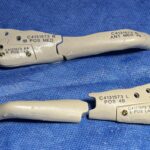
Forearm implants are a niche type of cosmetic body-contouring procedure where a solid implant (usually silicone) is placed along the forearm to increase its size, definition, or symmetry. Here’s the straightforward reality: What they’re for Enhancing muscle appearance (especially for people who feel their forearms are underdeveloped) Correcting asymmetry from injury or congenital differences Very Read More…

Transfemale Breast Augmentation Case Example

Breast augmentation in transfeminine (transfemales / trans women) patients is a well-established procedure, but it has some important differences from augmentation in cisgender women due to anatomical and hormonal factors. 1. Background: Hormone Therapy First Most transfeminine patients undergo estrogen-based hormone therapy before considering surgery. This: Promotes natural breast development (often A–small B cup) Helps Read More…

Dermal-Fat Graft for Steroid Induced Glabellar Soft Tissue Defect Case Example

Soft tissue atrophy is a known complication of corticosteroid (steroid) injections, especially when they’re placed superficially or repeatedly in the same area. What it is: It’s a localized loss or thinning of subcutaneous fat and sometimes skin, leading to a visible depression or “dent” at the injection site. Why it happens: Corticosteroids can: Inhibit fibroblast Read More…

Top Articles