
If glasses don’t sit well because your head is relatively narrow, using implants to widen the skull is technically possible but very uncommon and usually not recommended primarily just for eyewear fit.
Here’s a clear breakdown so you understand your options.
Surgical “head widening” (implants)
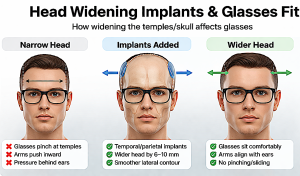
There are procedures that can increase head width:
- Standard Temporal implants (placed just above the ears)
- Custom Temporal Implants (covers some or all of the sides of the head)
- Materials: typically silicone placed under the fascia or under the muscle)
What they do:
- Add outward projection ? makes the sides of the head appear wider
- Can subtly change how glasses sit
Limitations:
- The amount of widening is usually modest (less than 1cm)
- Glasses still rest on ears + nose, not primarily on the skull sides
? Bottom line: This is usually done for cosmetic head widening with secondary benefits of improved eyewear fitting. But it can be done just for eyewear fitting along as seen in the following Case Example:
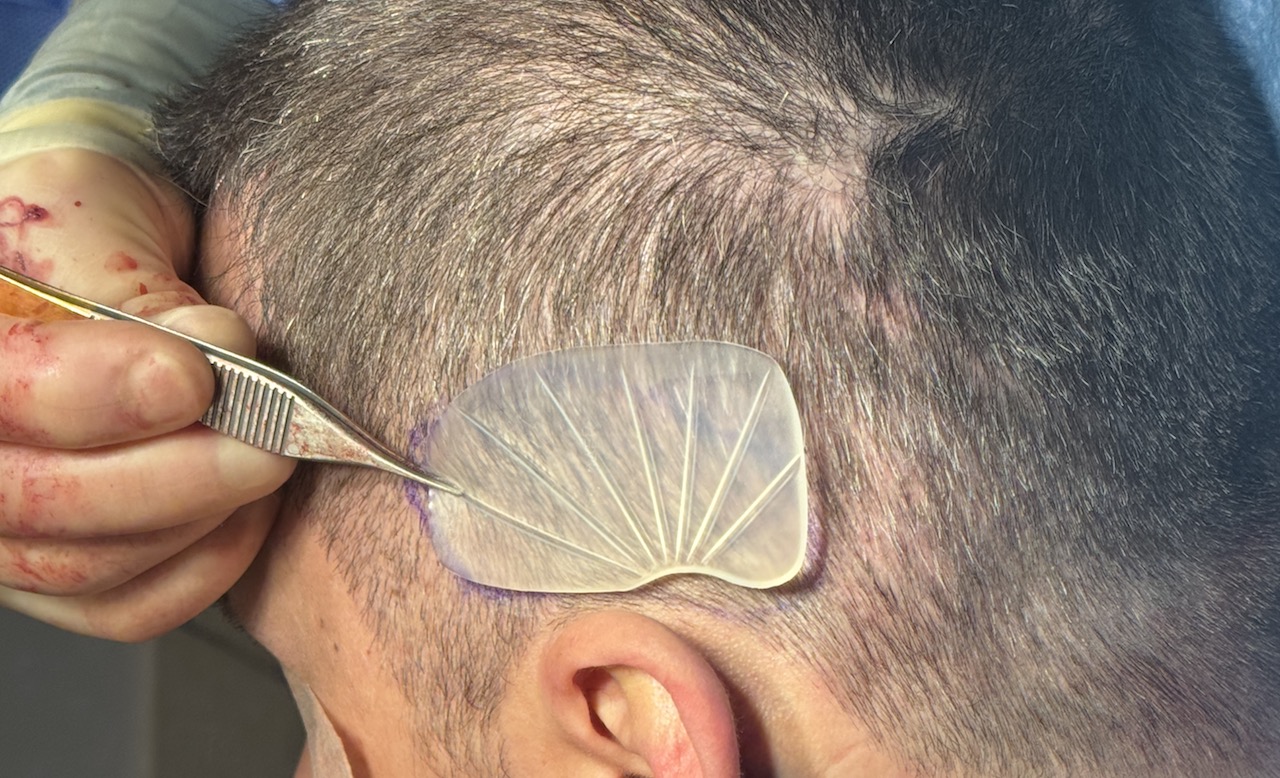
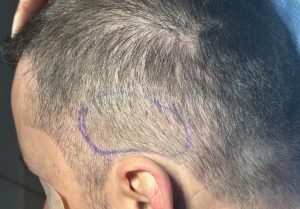 This male had a narrow head shape on just his left side which made eyeglass wear fit loosely on that side. There was distinct indentation above his ear.
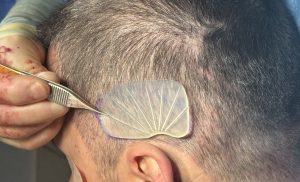 A standard 4mm extended temporal implant had a footprint that fit the indentation perfectly.
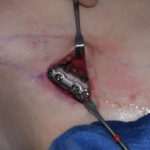
T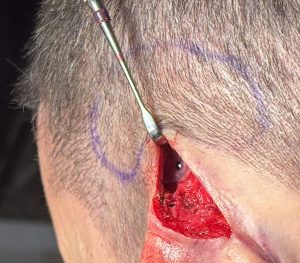 hrough a superior postauricular sulcus incision the implant was placed in a submuscular location and secured with a single microscrew.
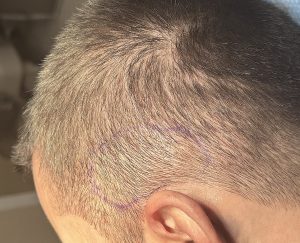 The implant corrected the indentation and gave him better eyeglass wear fit on that side.
Discussion
There are (non-surgical) solutions for ear wear that, almost in every case, work better than surgery:
?? Glasses adjustments
- More narrow frame size (look for smaller lens width + bridge width)
- Flexible spring hinges
- Adjustable nose pads
- Custom-fit frames (opticians can heat and reshape arms)
?? Specialty frames
- “Narrow fit” or “small” frames (many brands make these)
- Sports frames designed for smaller heads
?? Custom eyewear
- Some companies will 3D-print frames tailored to your head
When surgery might make sense
Only consider implants if:
- You already want cosmetic skull widening
- You understand it won’t reliably solve glasses fit
- You’ve exhausted all eyewear options
Dr. Barry Eppley
Plastic Surgeon