

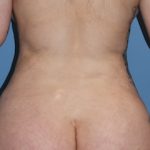
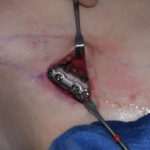
As pectoral implants involve an elevstion of the major muscle off of the chest wall the trauma will cause some short term limitations and discomfort. But the placement of pectoral implants does not preclude weight lifting although there will be a recovery process.
Most patients can return to heavy lifting and full chest training about 8–12 weeks after pectoral implant surgery, but the exact timing depends on:
- Implant placement
- Extent of muscle dissection
- Healing quality
- Pain/swelling
- Type of lifting performed
A gradual progression is essential because the pectoralis major muscle and implant pocket need time to stabilize.
Typical Recovery Timeline (7 Point Program)
First 2 Weeks
- No lifting over 5–10 pounds
- Avoid pushing, pulling, or chest activation
- Arms kept below shoulder height initially
- Focus on walking and light mobility
Main concern:
- Prevent bleeding, implant displacement, and fluid collections
Weeks 3–4
- Light lower-body exercise may resume
- Gentle arm range-of-motion exercises
- No chest workouts
- No push-ups, bench press, dips, or overhead pressing
The implant pocket is still immature and vulnerable.
Weeks 4–6
Many surgeons allow:
- Light cardio
- Light resistance training for legs/core
- Very light upper-body movements without chest strain
Still avoid:
- Heavy pressing
- Explosive lifting
- Deep chest stretching
Weeks 6–8
Gradual reintroduction of:
- Light chest exercises
- Controlled machine work
- Low-weight/high-rep training
Examples:
- Light cable flys
- Light machine press
- Modified push-ups
Patients often still feel:
- Tightness
- Pulling sensation
- Reduced flexibility
Around 8–12 Weeks
Most patients can begin:
- Progressive heavy lifting
- Bench press progression
- Pull-ups
- Dips
- Full gym training
However, loads should increase gradually over several weeks.
Important Risks of Returning Too Early
Heavy lifting too soon can cause:
- Implant displacement
- Bleeding/hematoma
- Pocket stretching
- Chronic pain
- Capsular contracture
- Widened scars
- Muscle injury
The highest-risk movement is usually:
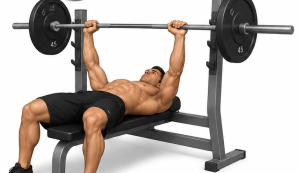
- Heavy bench press with deep stretch
Athletes & Bodybuilders
Bodybuilders often require:
- Longer recovery (10–12+ weeks)
- Slower progression with pressing exercises
- Technique modification temporarily
The conervative but prudent strategy is:
- Avoiding maximal bench press for 3 months
Signs You’re Not Ready Yet
You should delay heavy lifting if you still have:
- Pain during contraction
- Swelling
- Implant movement
- Tightness during pressing
- Sharp pulling sensations
- Asymmetry after workouts
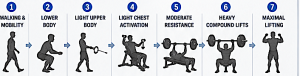
Typical Return-to-Lifting Progression
A common progression is:
- Walking ? cardio
- Lower body
- Light upper body
- Light chest activation
- Moderate resistance
- Heavy compound lifts
- Maximal lifting
Bottom Line

Most patients:
- Resume normal gym activity by 6–8 weeks
- Return to heavy lifting around 8–12 weeks
- Reach full unrestricted chest training by about 3 months
Elite lifters and bodybuilders may need a more conservative timeline to protect implant position and muscle healing.
Dr. Barru Eppley
Plastic Surgeon