
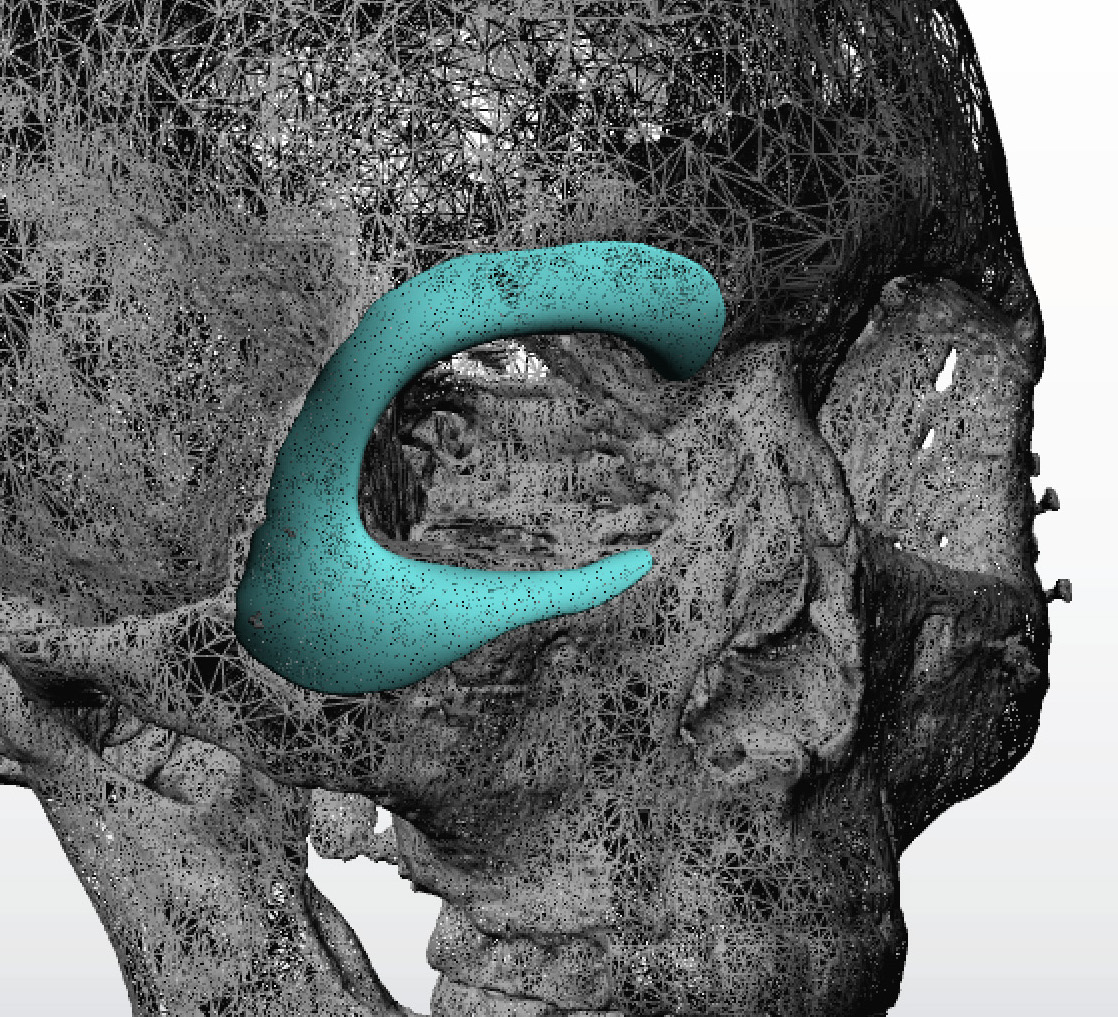
 For custom orbital implants (around the eye socket), the accuracy profile is different from jawline and cheeks—it’s actually one of the most precise areas technically, but one of the hardest to match aesthetic expectations.
Here’s the realistic breakdown:
Probability for orbital implants
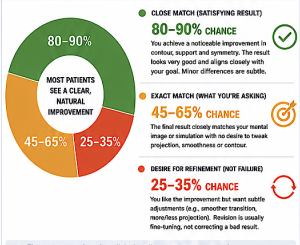
? Close match (most outcomes)
~80–90% chance
- Improved contour, symmetry, or support (tear trough, infraorbital rim, etc.)
- Looks noticeably better and more balanced
- Small differences usually subtle to others
?? Exact match (your question)
~45–65% chance
- The result closely matches your mental image or simulation
- No desire to tweak projection, smoothness, or contour
? Similar to cheeks, but slightly less predictable aesthetically.
? Desire for refinement
~25–35% chance
- You like the improvement but want adjustments (e.g., smoother transition, less/more projection)
- Revision usually = subtle contour refinement
? Why orbital implants are technically very accurate
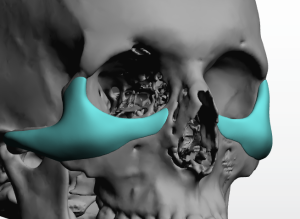
1. Rigid, well-defined anatomy
- The orbital rim is bony and fixed, making implant fit highly precise
- CAD design translates very reliably to real anatomy
2. Small, localized area
- Like cheeks, the implant affects a contained region
- Less cumulative distortion than jawline
?? Why hitting your exact look is harder than expected
1. The eye area is extremely sensitive visually
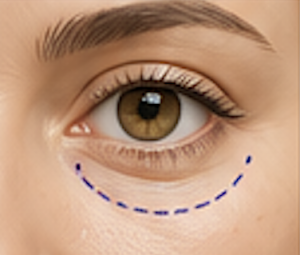
- Tiny changes (even <1 mm) can:
- alter perceived eye shape
- affect light/shadow
- change “tired vs refreshed” look
? Precision is high—but perception is even more sensitive.
2. Soft tissue + skin thickness varies a lot
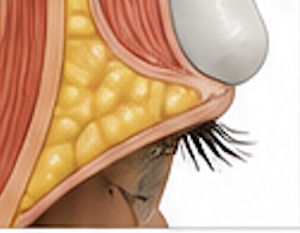
- Lower eyelid skin is thin and dynamic
- Fat, muscle tone, and skin elasticity affect the final contour
? This is a major source of unpredictability.
3. Transition zones are everything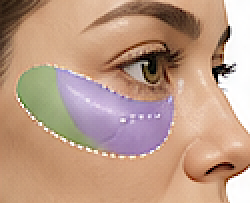
- Orbital implants don’t just add volume—they must blend seamlessly into:
- cheek
- tear trough
- lower eyelid
? If the transition isn’t perfect, the result can feel “off” even if placement is perfect.
4. Swelling and healing are tricky here
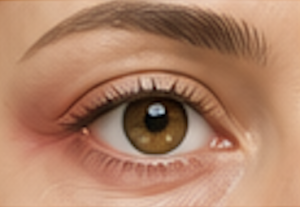
- The eye area holds swelling longer than expected
- Final refinement can take 3–6+ months (sometimes longer)
Comparison across areas
|
Outcome |
Jawline |
Cheeks |
Orbital |
|
Exact match |
~40–60% |
~50–70% |
~45–65% |
|
Close match |
~75–90% |
~80–90% |
~80–90% |
|
Refinement |
~25–35% |
~20–30% |
~25–35% |
What increases your odds (toward ~65%)
- Very specific goal (e.g., “smooth tear trough,” not just “better under-eyes”)
- Careful attention to transition blending, not just projection
- Surgeon experienced in orbital/midface aesthetics (this is critical here)
- Realistic understanding of your skin quality and soft tissue limits
- Willingness to accept minor refinement if needed
Bottom line
- Technically: among the most precise implants
- Aesthetically: harder to “nail perfectly” due to visual sensitivity
- Exact goal probability: ~45–65%
- High chance (~80–90%) you’ll look noticeably better
The key mindset for orbital work:
It’s less about “adding structure” and more about perfecting subtle transitions—and that’s where perfection becomes harder than precision.WJAT