
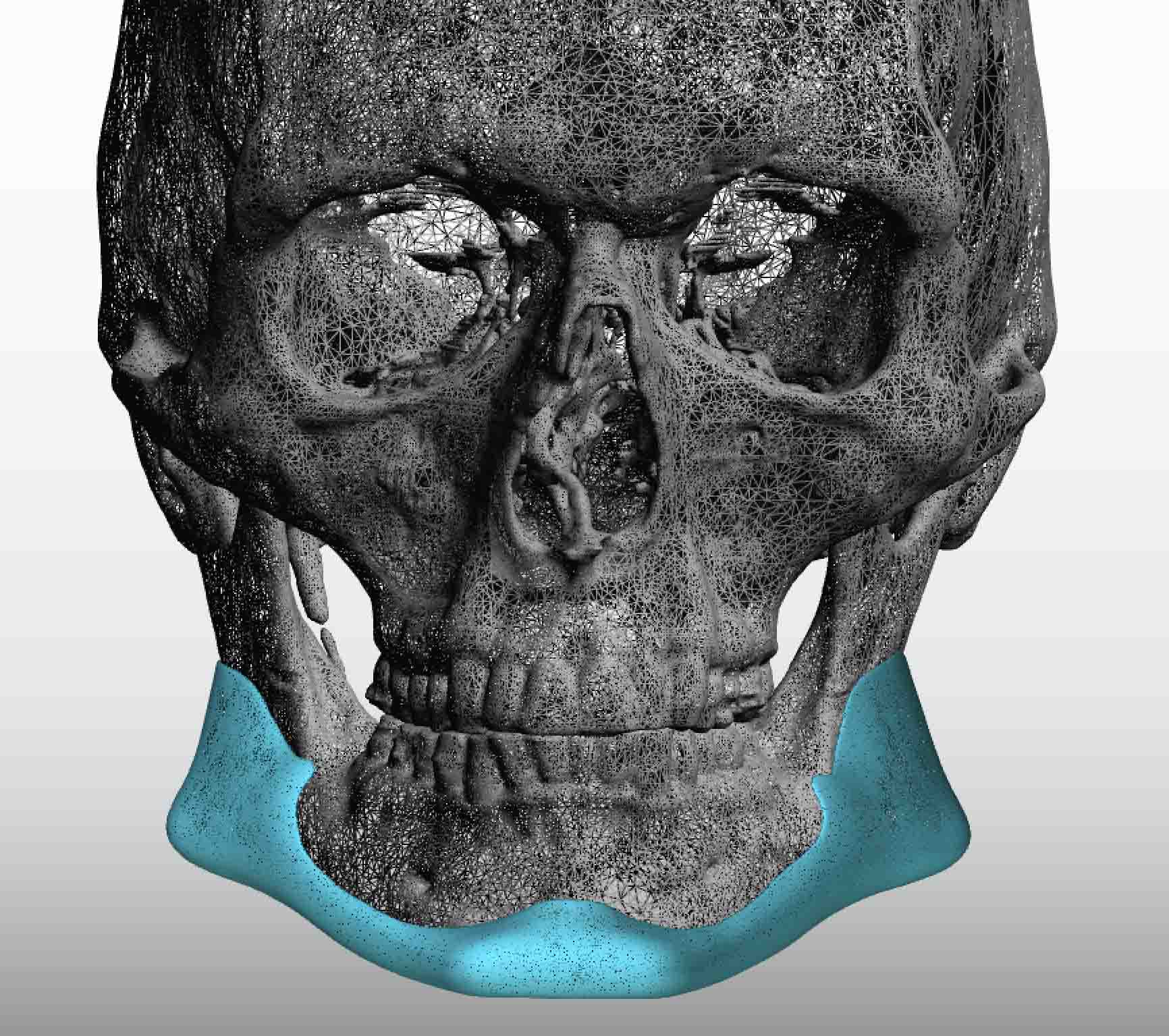
 The jawline implant is the most frequentl performed custom facial implant with a dominant male gender preference. With such a significant clinical experience what is the probability of hitting a patient’s exact aesthetic goal for custom jawline implants. In my experience it is a bit lower than people expect—even though the implants themselves are very precise.
Here’s the most honest, experience-based breakdown:
? Probability of hitting your exact goal
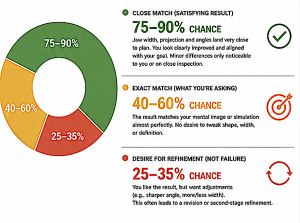
? Close match (what most people mean by success)
~75–90% chance
- Jaw width, projection, and angles land very close to plan
- You look clearly improved and aligned with your goal
- Minor differences only noticeable to you or on close inspection
?? Exact match (what you’re asking)
~40–60% chance
This means:
- The result matches your mental image or simulation almost perfectly
- No desire to tweak shape, width, or definition
? This is where expectations usually overshoot reality.
? Desire for refinement (not failure)
~25–35% chance
- You like the result, but want adjustments (e.g., sharper angle, more/less width)
- This often leads to a revision or second-stage refinement
? Why jawline implants specifically aren’t 100% predictable
Jawline implants are actually one of the harder areas to “nail perfectly”, because:
1. Soft tissue thickness varies a lot
- Thick tissue ? blunts definition
- Thin tissue ? sharper, more angular result
? Same implant ? same visible outcome across people
2. The jawline is a long, continuous structure
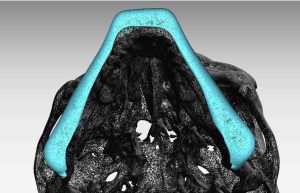
- Small inaccuracies get amplified across:
- angle
- body
- chin transition
? A 1–2 mm difference can change the feel of the whole jaw
3. “Aesthetic goals” are subjective and evolving
- Many people don’t fully know their ideal until they see it on their own face
- Your brain recalibrates post-op (“I want just a bit more…”)
4. Swelling masks definition for months
- Early result ? final result
- Final sharpness can take 6–12 months
? A more intuitive way to think about it
Instead of “Will I get exactly what I want?”, think:
- High probability ? You’ll get into the right zone
- Moderate probability ? You’ll hit your exact mental target
- Meaningful probability ? You may want to refine once you see it
? What increases your odds toward the higher end (~60%)
These matter more than the implant itself:
- Very specific, well-defined goal (not vague like “stronger jaw”)
- Reviewing multiple design iterations
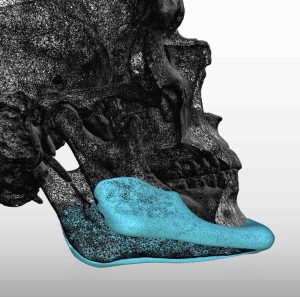
- While surgeon experience always matters experience in implant designing is just as important as knowing how to surgically place the implant
- Understanding your soft tissue limitations upfront
- Being okay with slight undercorrection vs overcorrection strategy
? Bottom line
- Technically accurate –Very high
- Exact aesthetic match~40–60%
- Close, satisfying result ~75–90%
? The biggest mindset shift:
You’re not ordering a final product—you’re entering a highly controlled sculpting process, where refinement is sometimes part of getting to “perfect.
Dr Barry Eppley
Plastic Surgeon