Archive for the 'breast implants' Category


March 17, 2008

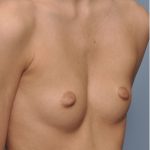
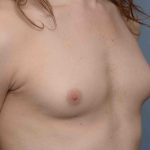
Implant Augmentation in Breast Asymmetry

Author: barryeppley

Despite the tremendous popularity of breast augmentation, and the relatively common occurrence of differences in most women’s breasts, there is little public knowledge about what occurs when both are mixed together in a surgical enhancement. All plastic surgeon’s made a good effort to point out a patient’s breast asymmetries beforehand, and that breast asymmetry is likely to continue to exist after surgery, but I have found that most patient’s still have misconceptions in this area.
First and foremost, I have found that many women don’t even know that their breasts are not ‘even’. Many do when the differences are more significant but in small differences it is often not even perceived until it is pointed out. Secondly, breast augmentation may either improve or worsen the breast asymmetry dependent upon what type of asymmetry it is. In my experience, if the asymmetry involves different positions of the nipples before surgery, it is quite possible an enlargement of the breast will make it worse. In this cases, a superior nipple lift may be considered in the more ’southern’ nipple if it is the one not at the right height. If it is a more ‘northern’ nipple, then there is no real solution to that problem short of keeping the implant higher on that side and living with mound asymmetry but with the nipples centered on the breast mound. (either choice is not great). If the nipples are fairly even and the differences are mainly in mound size (amount of skin, level of the inframmary crease), then an implant enhancement may improve the asymmetry by different fill volumes or sizes between the two sides. This is a more desireable situation and , while some asymmetry may still exist, it is likely to be better than dealing with nipple aymmetry.
With all of the options available in breast implants today, saline vs silicone and different projections, it is tempting to get too clever by making changes not only in implant volumes but in styles or projections as well. While this may work in some cases, it is equally possible that you may merely create a different asymmetry problem. I have found it best to usually keep it simple using some differential volumes of implants is some cases but generally not mixing implant projection styles.
In short, if breast asymmetry improves after augmentation that is a bonus but is not assured. It is not possible with any degree of certainty to predict final breast shape outcomes in asymmetry. The goal is improvement in shapes, but not perfection. To use a great quote (to whom I cannot remember to give credit), this is sister surgery, not twin surgery.
Dr Barry Eppley
http://www.eppleyplasticsurgery.com
http://www.ologyspa.com
Clarian North Medical Center, Carmel, Indiana
Clarian West Medical Center, Avon, Indiana
Indianapolis


Breast Augmentation is the number one cosmetic body procedure performed in plastic surgery, even outdoing liposuction which has the advantage of potentially treating many body areas as opposed to breast augmentation’s one. Because the operation is fairly ’standard’, many potntial patient’s questions and concerns are quite similar I get them on almost every consult that I see. Here are some typical ones of which I will try and provide some general answers. Neither of those questions, however, has a definite answer to any specific patient as there are many variables that control what an implant looks like and how much volume makes a certain cup size. The implant plays a role but the patient’s own anatomy and type and amount of breast tissue and skin play an equally important role.

Will the breast result be better if the implant is above or below the muscle?
The issue of how a breast implant looks above or below the muscle highly depends upon what type of implant that is used, saline vs silicone. They will look somewhat different, silicone will generally be smoother at the edges, saline will likely have some rippling at the bottom and teh sides (eventually). Either way, the shape (due to the weight of its filler content) of the breast will be slightly fuller up top for saline and potentially less full on top with silicone, although the style or projection (low, medium, high) of the braest implant will also play a role. However, how much or how little breast tissue one has and whether the skin is tight or saggy will influence the final appearance as well.
How many implant ccs (volume) does it take to make a full C breast?
The concept of breast size based on cup size and what a certain implant volume may due…..is a little like looking at art. What does a full C look like? What I think it looks like and what you think that looks like may be very different…or similar. Unless we are looking at actual breasts in pictures and asking that same question…one can never know for certain. Even if we agree on what a full C is….every patient’s chest and breast size will require a different volume implant to get there. For example, if you are 5’ 0” tall and weigh 105 lbs, most likely 350 – 375cc will get close to that size….but if you are 5’7” tall and weigh 145 lbs, than 400 – 425cc may be needed to get to that size. Also, how wide your breast is, what we call base diameter, plays a very important role in size and how far to the side the breast implant may go. (which generally is undesired by most patients) We want to choose a breast implant that gets you the size you want but does not go too far to the side. If the size implant chosen for your desired look is too wide, then we need a higher projecting style implant. Sounds confusing, doesn’t it?

These questions are excellent ones and very common. For most patients, these are two of the most important questions (what type of implant, saline vs silicone, is best for you is the most important one) But the answers are not straight forward and each women’s chest and breast size anatomy must be taken into consideration.

Dr Barry Eppley

http://www.eppleyplasticsurgery.com

http://www.ologyspa.com

Clarian North Medical Center, Carmel, Indiana

Clarian West Medical Center, Avon, Indiana

Indianapolis


March 9, 2008

Dr Barry Eppley, Love Your Look, and Mentor

Author: barryeppley

Dr Barry Eppley, board-certified plastic surgeon from Indianapolis, is now listed on the Mentor (http://www.mentorcorp.com) website entitled Love Your Look. (http://www.loveyourlook.com) This website is a great resource location for those women looking for comprehensive information on breast implants and breast augmentation. Dr Eppley, an exclusive user of Mentor saline and silicone gel breast implants, has many before and after photographs posted on this site.


March 3, 2008

Silicone Breast Implants and Risk of Platinum Toxicity

Author: barryeppley

Just when I thought I had reviewed all of the known issues relating to silicone breast implants, from the risk of autoimmune disorders to breast feeding, one appears that I not yet heard of…..the risk of platinum toxicity.
The metal, platinum, is used as a catalyst in the cross-linking reaction of the silicone gel and elastomer in silicone gel breast implants and is present in the finished implant at a parts-per-million level. As such, there is the theoretical risk that residual amounts of platinum may diffuse from the breast implant into the surrounding tissues, posing a potential health risk to patients. Dr. Roger Wixtrom of Virginia, a toxicologist, reviews the platinum issue and its risks in the December 2007 Supplement to Plastic and Reconstructive Surgery. Diffusion studies of current manufactured breast implants indicates that only very minute levels of platinum are released and more than 99% of the original platinum is retained in the implant. Also, the platinum that is present is in its most biocompatible form. (zero valence or oxidation) An FDA report on this issue was released on June 16, 2o06 which states..”Based on the existing literature, the FDA believes that the platinum contained in breast implants is in the zero oxidation state, which would pose the lowest risk, and thus the small amounts of platinum that leak through the shell do not represent a significant risk to women with silicone breast implants.”
Allergic reactions to plastinum are known, but these are to higher valence forms of platinum which are not present in current silicone breast implants. Furthermore, in unpublished studies, over 100 human volunteers have been exposed to repeated applications of the platinum catalyst in patches without any evidence of sensitization. Current evidence would indicate that this potential platinum toxicity concern in breast implants does not represent a significant health risk.
Dr. Barry Eppley
http://www.eppleyplasticsurgery.com
http://www.ologyspa.com
Clarian North Medical Center, Carmel, Indiana
Clarian West Medical Center, Avon, Indiana
Indianapolis


March 1, 2008

Silicone Breast Implants and AutoImmune Disorders

Author: barryeppley

Since silicone breast implants have been re-introduced into the commereical marketplace in the United States in late 2006, most of the women seeking breast augmentation are not aware of the tremendous controversy with their predecessors fifteen years ago due to their age. Generally, only patients over the age of 40 would likely remember the tremendous publicity that surrounded silicone breast implants being banned by the FDA at that time.
Over the past fifteen years, much study has been done on the association of silicone breast implants, particularly ruptured implants, with autoimmune connective tissue disorders. In the December 2007 Supplement of Plastic and Reconstructive Surgery, Drs Holmich et al from Denmark did a large scale literature review of all publications relating to these two topics with emphasis on findings stratified by breast implant rupture status. Numerous comprehensive reviews and updates of large epidemiologic studies have evaluated associations of breast implants and connective tissue diseases. None of them have ever found any credible association between silicone breast implants and any form of connective tissue disease to date. This has been known for some time and continued investigations, such as this one, continue to repeatedly report the same findings. What made this paper so unique was that it focused on those studies where the silicone breast implants were known to be ruptured, exposing the ‘offending agent’ directly to the bodies tissues.
They identified five such publications and reviewed them in detail in the article. In none of the studies were diseases or symptoms related to some form of connective tissue disease associated with breast implant rupture status. No credible evidence can be found that would support the concept of a ’silicone-related disorder’ exists amongst breast implant patients, particularly those whose implants are known to be ruptured.
While this potential rheumatologic issue with silicone breast implants may never completely die in some minds, such a view does not currently hold up to scientific scrutiny. Investigations from around the worldwide on the topic provide overwhelming comfort for all women who have silicone breast implants or those that may be comtemplating breast implant surgery. While they are infrequent stories and internet websites in which patients report their ‘horrific’ experiences and alleged illnesses from breast implants surgery, confirmatory medical information is lacking to know the exact origin of their problems. 

Dr Barry Eppley
http://www.eppleyplasticsurgery.com
http://www.ologyspa.com
Clarian North Medical Center, Carmel, Indiana
Clarian West Medical Center, Avon, Indiana
Indianapolis


February 2, 2008

Breast Augmentation in Indianapolis - Picking Your Size

Author: barryeppley

How to Pick your Desired Breast Implant Size - Dr. Barry Eppley in Indianapolis

One of the single greatest concerns for most breast augmentation patients is…..getting the amount of breast size increase that they desire. While most fears revolve around a concern that they might be too big, others are concerned that they get enough breast size increase to ‘get their monies worth’. Either way, besides the type of breast implant that they choose (saline vs silicone), patients are ultimately concerned about achieving the main objective of the operation - bigger breasts.

While there are many different methods used by plastic surgeons to pick the size of breast implant, and in experienced hands they all work, I will describe my approach to it. First and foremost, I don’t particularly care what size a breast augmentation patient wants to be. The patient is not doing the operation for my tastes and desires, my only goal is to make the patient happy. The patient has to decide what breast size that is, not me. My job is to understand what that is and translate that understanding to the proper breast implant size selection at the time of surgery.

To achieve that understanding, I ask that the patient bring in some pictures of breasts that they like. Pay no attention to the person to which they are attached (big, tall, thin, or small), as it does not matter. What matters is the look of the breast and the mound size. Pictures that also illustrate too big or too small is also helpful. These pictures are important as they will be put up in the operating room during surgery and used as a visual reference. Because I use intraoperative sizers (temporary implants that are initially placed and then blow up with air), I can inflate the breasts until they match the size seen in the pictures. (it is not hard to do!) Then and only then are the permament breast implants pulled. This method doesn’t have an actual name but I call it the intraoperative sizing method.

When it comes to breast implant size, I think the only important anatomic concept for the patient to grasp is breast base width. If the size of the breast implant chosen is wider than the base of your natural breast, then a portion of the breast implant will hang out beyond the side of your chest wall. (and may get in the way when you swing your arm) That measurement is taken before surgery and recorded. The patient needs to let me know before surgery as to what is most important, ultimate size or keeping the breast implant from being too far to the side if the breast implant is larger. (most of the time this is only as issue when it comes to larger breast implants or in very petite women with narrow chest widths)

I have found this intraoperative sizing method to be highly successful. I have only had one patient in my entire practice career that has ever requested to return to surgery because they felt the implants were too big.

Dr Barry Eppley
http://www.eppleyplasticsurgery.com
http://www.ologyspa.com
Clarian North Medical Center, Carmel, Indiana
Clarian West Medical Center, Avon, Indiana
Indianapolis


January 30, 2008

Saline vs Silicone Breast Implants in Breast Augmentation

Author: barryeppley

How to Choose between Saline or Silicone Implants in Breast Augmentation - Dr Barry Eppley in Indianapolis

Since silicone breast implants have been re-introduced to the commerical market in late 2006, this has provided women with a choice in breast augmentation. While some plastic surgeons may favor one type of breast implant over another, the reality is that both breast implants have their advantages and disadvantages. Whether one type of breast implant is better than another depends on what implant characteristics the patient can accept. My mission as a plastic surgeon is to educate my potential breast augmentation patients as to the different features of saline vs silicone breast implants. It is up to the patient to decide what breast implant features they desire. Or to put it more simply…..which of the breast implant liabilities (disadvantages) can you live with the best? (the potential health-related issues of silicone breast implants has now been sufficiently refuted and therefore do not enter into any discussion here)

One important concept to grasp…..both saline and silicone breast implants can do the job. Both work and can look equally well. One type of breast implant doesn’t necessarily look better than the other, contrary to the suppositions of some. However, the choice of one implant over the other does control several issues about the breast augmentation procedure……and besides choicing an experienced plastic surgeon is the most important decision about your breast augmentation procedure.

Saline and silicone breast implants differ in the following diametric ways. Saline breast implants are surgically inserted deflated, silicone breast implants are inserted at their listed volume. Therefore, saline breast implants can be put in through a very small incision in the armpit while most silicone breast implants need a larger incision in the lower fold of the breast. Saline breast implants will develop a phenomen of rippling, most of which can be felt at the bottom and sides of the breast (in very thin patients this rippling can be seen), silicone breast implants remain smooth and do not develop this cosmetic rippling issue. If a saline breast implant fails, it is known as deflation as the implant becomes like a flat tire. While this causes no harm, it is dramatically seen and is a cosmetic ‘emergency’ so to speak. If a silicone breast implant fails, it is not called deflation but is known as silent rupture. In other words, there is no visible sign that the implant has ruptured as it does not change shape or deflate. (since what is in it is not water, but a jello-like substance that does not flow) It is possible that a patient may never know that it has ruptured as long as the breast is soft, looks good, and is pain-free. What this suggests is…..the likelihood of the need for breast implant replacement due to ‘failure’ over one’s lifetime is most likely less for silicone than for saline breast implants. The last difference between the two is cost. While surgeon’s fees and other surgical expenses may differ, the purchase cost of a pair of silicone breast implants is higher than for saline. Sinc most plastic surgeon’s merely pass the cost of the breast implants onto to the patient in the overall fee, silicone breast augmentation is more expensive than saline breast augmentation.

In summary….which liability can you live with……..saline breast implants and the issue of rippling and possible deflation……or……silicone breast implants which are more expensive and require a bigger incision to insert.

Dr Barry Eppley
http://www.eppleyplasticsurgery.com
http://www.ologyspa.com
Clarian North Medical Center, Carmel, Indiana
Clarian West Medical Center, Avon, Indiana
Indianapolis


January 25, 2008

Interesting New Type of Breast Implant

Author: barryeppley

Metal on a Breast Implant…..Intriguing Approach

I just read recently of a new twist on a breast implant concept. (Cosmetic Surgery Times, January 2008) In an effort to deal with the problem of capsular contracture (hardening around a breast implant due to too much scar formation), a novel approach is being tested. In France, a new implant featuring a titanium-coated breast implant is being evaluated to see if it can reduce the risk of capsular contracture after surgery. The French Company, Poly Implants Prostheses (PIP), is coating the outer surface of a breast implant with titanium molecules. Now the layer of titanium is incredibly small, so small that you can not see it with the human eye. Under the microscope, the coating is 3,000 thinner than a human hair. Becasue the titanium is so small, it does not interfere with the feel, look, and radiographic properties of a normal breast implant. And no, you will not sound off the scanner at the airport!

The concept is that titanium, one of the most inert and non-reactive materials know to the human body, will cause less potential reactivity than silicone. The titanium layer also reduces gel bleed, in which minute amounts of silicone gel material come through the implant over time and potentially cause capsular contracture. In short, the titanium layer has anti-inflammtaory properties without affecting the softness and feel if silicone breast implants.

Under the direction of Dr. Daniel Fleming in Brisbane Australia, a two-year trial of 1,500 patients is underway with these titanium-coated breast implants.

While it remains to be seen if they are effective are reducing the small, but significant, risk of capsular contracture in breast augmentation, I applaud their ingenuity and thinkong out of the box. This is a concept borrowed from the Orthopedic industry where titanium and plasma spray coatings have been done for years.

Dr Barry Eppley
http://www.eppleyplasticsurgery.com
http://www.ologyspa.com
Clarian North Medical Center, Carmel, Indiana
Clarian West Medical Center, Avon, Indiana
Indianapolis


January 25, 2008

Breast Lift with and without Implants in Indianapolis

Author: barryeppley

Breast Lift (Mastopexy) with and without Implants in Indianapolis by Dr Barry Eppley

Many women, usually after pregnancy, desire improvement from the resultant change that has occurred in their breasts. Usually the resultant breast involution (shrinking) that occurs after most pregnancies results in sagging or ptosis of the breast. the breasts may appear deflated but the problem is really one of too much skin now for the amount of breast tissue that remains. (yes, you will have less breast tissue after pregnancy)

While breast augmentation and breast reduction are highly successful procedures that achieve the goals of most patients and have acceptable tradeoffs for the benefits (augmentation = use of a synthetic implant, reduction = scars), the breast lift or mastopexy procedure is a different matter. Most mastopexies of significance result in breast scars but, unlike a breast reduction, the breast lift is a pure cosmetic procedure. Excessive scarring for the cosmetic patient may not be an acceptable tradeoff. Scars are very acceptable in breast reductions because the patient’s goal is primarily relief of back, shoulder, and neck pain. The dilemma in the potential mastopexy patient is a cosmetic one. Which is going to look better…..a saggy breast with no scars or an uplifted breast with scars. While it is true that some small mastopexies involve only a scar around the areola, breasts that require significant lifting involve vertical and vertical-horizontal scars.

Many mastopexy patients, and in about 80 - 90% of my mastopexy patients here in my practice in Indianapolis, are also candidates for an implant with their mastopexy procedure. A breast implant will provide volume and, most importantly, provide fullness in the upper pole of the breast. A breast lift alone will not in most patients result in restoration of fullness to the upper part of the breast. It may do so in the early postoperative period, but this fullness will be lost in the first few months. For this reason, a breast implant (even if small) can be very helpful. I have observed that one of the goals of most potential breast lift patients is a fuller breast as well. A breast lift tightens and lifts a breast but will not make a breast bigger or fuller.

If a patient elects to have a combined mastopexy-implant procedure, the next question is whether they should be done at the same time. I have always done these two procedures together but it can be a very difficult operation to get a symmetric and optimal result. The two procedures actually work against each other, tightening and lifting and increasing the size of the breast…..all at the same time. This can be artistically challenging. For this reason, I advise my patients that there is a very high revision rate with combined mastopexy-implant procedures. Whether it be to adjust the position of the implants, revise the scars, or do some fine-tuning of the breast shapes, the patient will frequently desire a revision. Conversely, however, staging the two procedures guarantees a 100% likelihood of two procedures.

The breast lift (mastopexy) procedure presents several challenging issues; Are breast scars worth the improvement in the breast shape? Do I need an implant with my breast lift? Can I live with the concept that a second surgery may be needed to get the best result?

Dr. Barry Eppley
http://www.eppleyplasticsurgery.com
http://www.ologyspa.com
Clarian North Medical Center, Carmel, Indiana
Clarian West Medical Center, Avon, Indiana
Indianapolis


January 8, 2008

Anatomic Implants for Breast Augmentation in Indianapolis

Author: barryeppley

Anatomic Implants for Breast Augmentation - Are they better?

Many breast augmentation candidates invariably ask the question about ‘anatomic implants’ as a breast implant option. Most ask that because they have a fear of having a round, beachball-like appearance after surgery which they view as unnatural. Some patients, of course, think that appearance is natural and even want it. For those patients with that fear, it is perfectly normal for them to inquire about anatomic breast implants as they have been hyped over the years to the point that many patients are aware that they exist.

First and foremost, I inform all patients that the shape of one’s breast after breast augmentation is controlled by many factors, not just the shape of the implant. In some patients, the shape of the implant may be the least important in determining the breast’s final appearance. Factors such as how tight or loose one’s skin is and the size of the implant in relationship to the width of the breast are two of the most important factors. Tight skin and a big breast implant will always make for a round-shaped breast, even if you don’t want it. Loose skin and a small breast implant will always result in a teardrop breast shape or more of a breast sag.

An anatomic breast implant is teardrop-shaped with a gentle slope at the top and more of the breast volume in the lower half. While originally made for breast reconstruction, it has also been widely used in breast augmentation. Because it has a pre-engineered shape, it must be placed precisely in the right orientation during surgery or you will have a ‘cock-eyed’ breast later. The question is…..is an anatomic implant better at creating a natural breast shape as opposed to a round implant?

The answer to that question has been looked at in some detail. First, the shape of an implant, round vs. teardrop, is based on how they appear laying on a table. What happens when they are actually implanted in a patient? Based on radiographic studies, it has been shown that when women are standing, both round and anatomic implants appear identical. Gravity pulls the implant volume down to the lower half in the round implant, giving it the same appearance as that of the anatomic implants. When laying down, the anatomic implant still has a teardrop shape, which is unnatural, while the round implant falls to the side….naturally.

For these reasons, I rarely use anatomic breast implants unless the patient is insistent. They appear to offer no real benefit in terms of breast shape and do have the potential for an abnormal shape if they change position after surgery.

Dr Barry Eppley
http://www.eppleyplasticsurgery.com
http://www.ologyspa.com
Clarian North Medical Center, Carmel, Indiana
Clarian West Medical Center, Avon, Indiana
Indianapolis