Archive for the 'liposuction' Category


October 27, 2008

Liposuction of the Calfs and Ankles

Author: barryeppley

Thick calfs and ankles in an otherwise not overweight female is not a rare problem. It is frustrating for these women as it is just the way their body was made and is not a reflection of their lack of effort to try and reduce it. (which they can not) While liposuction is commonly performed all over the body, the calf and ankle is not an area treated by all plastic surgeons.


I find that calf and ankle liposuction can be a very successful procedure. But  unlike other areas where liposuction is performed,  patient selection and education are critical if a satisfied outcome is to be achieved. First and foremost, this Is not a procedure for overweight patients. Liposuction below the knee is for the patient who is out of proportion. Someone who is thick in the knee and ankle area but is not obese. Neither is it good for legs that are thick because of being very muscular or big-boned. In neither of these patients can you get a good shape, no matter how much fat you remove.


The best test is to pinch up the area between the fingers and see if you can ‘pinch an inch’. If the skin and tissues are thick and can not be made to bunch up between the fingers, this is a poor sign for a good result.


When  doing calf and ankle liposuction, there are two fundamental approaches. The first approach is spot reduction. This means treating just a few areas to get more shape, such as just below the knee on the inside of the lower leg and then from the inner calf down to the ankle. The idea is to get a better calf outline and shape.  The best way to find the right areas to suction is to have the patient stand on their toes and outline the the calf muscle, marking above and below the muscle outline.


 The other approach is to an overall circumferential reduction of the entire calf done below the knee to the just above the ankle. Spot reduction is obviously easier, but circumferential reduction actually makes the leg smaller. For those patients considering circumferential  reduction, they must be prepared for months of swelling and a fairly long time to see the final result. (at least 3 or 4 months)


Very small cannulas in the calf and ankle area are used as it is important to avoid taking away too much fat too quickly. It is easy to create indents in these areas, particularly around the ankle area. There is not a lot of fat in this area and the use of very small cannulas is one way to avoid this problem.


Dr. Barry Eppley

http://www.eppleyplasticsurgery.com

http://www.ologyspa.com

Clarian North Medical Center, Carmel, Indiana

Clarian West Medical Center, Avon, Indiana

Indianapolis


October 18, 2008

Suprapubic Liposuction in Lengthening of the Buried Penis

Author: barryeppley

A buried or hidden penis is an uncommon condition of young male children and teenagers. There are numerous reasons for a buried penis including  scar retraction from a prior circumcision, childhood obesity, and a congenitally small or short penis. Regardless of the cause, a concealed penis is a potential problem for an unobstructed urinary stream as well as a source of social embarrassment.


In some patients, a suprapubic fat pad is present that can completely mask a penis on its own or, at the least, exacerbates an already partially buried penis. Obesity and the size of the mound often have a logarithmic relationship and any degree of being overweight makes concealment of the penis worse.


Numerous procedures are available to expose and lengthen the penis to make it more visible above the surface of the skin. The primary procedure is release and lengthening of the retracted penile shaft. Often, however, the enlarged suprapubic mound obscures the effect of penile lengthening making it less visible than it otherwise might be. In these cases, reduction of the suprapubic mound through liposuction is of invaluable assistance in maximizing the effect of penile lengthening.

I have performed over 100 suprapubic liposuction cases in buried penis patients, of which over 90% have been in children and teenagers. This procedure is always performed with a pediatric urologist of which I have been fortunate to have worked with some of the finest. The pediatric urologist first performs the release of the penis at which time I enter the case. Larger suprapubic mounds are first infiltrated with a tumescent solution but smaller ones are injected with a lidocaine and epinephrine solution only. Through small stab incisions in the groin creases, small caliber cannulas are used to aggressively suction the mound from the underside of the dermis to the base of the penis removing as much fat as possible. The pediatric urologist then returns to complete the procedure, finally securing the skin to the base of the penis. At the conclusion of the procedure, I like to apply compression which the patient will wear for one week after surgery.


The combination of penile lengthening and suprapubic liposuction is very effective for the correction of the buried penis deformity.  Suprapubic liposuction adds little time and virtually no risk to the procedure. Families should be aware that the suprapubic liposuction is not covered by medical insurance even though the urologic portion may be eligible for benefits.


Dr. Barry Eppley

http://www.eppleyplasticsurgery.com

http://www.ologyspa.com

Clarian North Medical Center, Carmel, Indiana

Clarian West Medical Center, Avon, Indiana

Indianapolis


Lipodissolve, also known as injection lipolysis, is a fat treatment method in which small deposits (usually .25 to .5ccs per injection) of a solution are placed immediately under the skin. (.5cm) When this solution comes into contact with fat, and it has a zone of diffusion of about 1 cm. from the injection site, a ‘fight’ takes place known as inflammation. This inflammatory reaction helps break down the walls of the fat cells allowing their stored fat to be released. While there is some debate as to what actually happens to fat that is released, it appears that it is removed by the bloodstream and carried to the liver where it is broken down and eliminated as waste products.

Most LipoDissolve solutions  use a mixture of synthetic emulsifying chemicals which are well tolerated by the body. Lecithin, also known as phosphatidycholine, and cholic acid (bile salt) are always the two main ingredients. Both have emulsifying properties to break down fat cell walls and there is some debate also as to which one is really the most effective at doing so. Since these LipoDissolve solutions are not FDA-approved, they are mixed and distributed by compounding pharmacies. (which are also not FDA regulated) The compounding pharmacy industry is usually unknown to most of the general public and many non-pharmaceutical drugs and compounds used in the wellness, anti-aging, and alternative medicine world are made by them. Some practitioners mix other agents into the LipoDissolve solutions but no clear cut benefits has been proven for these ‘cocktail’-like mixtures. I prefer to stay with more pure compounds that use lecithin and cholic acid only as I have never had a negative reaction in a patient yet.

The key to getting a safe and effective outcome with LipoDissolve is one of limited dosing. Keeping injections for the body to less than 50 (total volume of 25 ccs) and in the neck to less than 15 (7.5cc) produces results that appear to have no side effects other than the temporary swelling which is an expected part of the treatment process. I have treated many neck and jowl areas successfully but will not use it for any other facial areas. The use of LipoDissolve injections into the fat pads of the lower eyelids, for example seems dangerous and does not produce a near similar result to what is achieved with the far safer and more predictable lower blepharoplasty procedure.

Dr. Barry Eppley

http://www.eppleyplasticsurgery.com

http://www.ologyspa.com

Clarian North Medical Center, Carmel, Indiana

Clarian West Medical Center, Avon, Indiana

Indianapolis


September 9, 2008

LipoDissolve Injections of the Neck and Jowls

Author: barryeppley

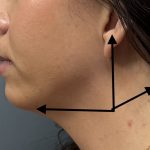
Fat in the neck and jowl area would certainly classify as a Type LipoDissolve problem. I find that LipoDissolve injections in the neck to be a particularly effective treatment, probably the best use of an injectable fat reduction method. It works in this area for one good reason, the neck has a small surface area to it and therefore the fat problem is likewise limited. It fits in well with my concept of the ‘hand’ evaluation method to determine LipoDissolve candidacy. If the area fits into the size of my hand (size 6 ½) then it is reasonable to treat with LipoDissolve. In many necks that I have treated, the results with LiposDissolve can be close to that of liposuction.


The concept to grasp about LipoDissolve is that it is an inefficient method of fat treatment, albeit non-surgical. Unlike liposuction, fat injections require months of treatments to achieve its final results. So while it can be effective, it is not efficient. Liposuction surgery achieves its results in less than 30 minutes, albeit through a surgical process. Generally, the inefficiency of LipoDissolve would not be an issue if the treatment was hidden and not socially obvious. However, in the neck and jowl area, the effects of LipoDissolve treatment are for all to see and I am not just talking about the final results. After each LipoDissolve treatment session, the injected area will immediately swell and stay that way for about five days. And when I mean swell…think of doubling in size! Yes I did say double in size, you will have a bullneck. And this swelling process must be repeated each time that a treatment session is done, generally around three treatment sessions are needed to get the best result. For many patients, this neck swelling and how to explain it is enough for them to choose liposuction over LipoDissolve. For others, the importance of not having to go to surgery, and the additional expense, is worth the temporary neck swelling.


Besides the neck swelling, the other consideration is if the neck fullness is an isolated problem. LipoDissolve makes no sense if you are having other procedures anyway. The whole purpose of LipoDissolve is to avoid a surgical procedure. If you are getting on the operating room table anyway, then opt for liposuction and enjoy the benefits of the efficiency of surgery. One final consideration is how much much loose skin you have in the neck. While LipoDissolve can tighten some skin, do not think of it as an alternative to other truly neck tightening procedures such as a facelift. In older patients with more loose skin, these procedures are likely better and neck liposuction is part of every facelift (necklift) anyway.

Dr. Barry Eppley

http://www.eppleyplasticsurgery.com

http://www.ologyspa.com

Clarian North Medical Center, Carmel, Indiana

Clarian West Medical Center, Avon, Indiana

Indianapolis


August 18, 2008

The Top Ten Instructions After Your Liposuction Surgery

Author: barryeppley

Liposuction surgery, to effectively reshape the contour of body areas, usually involves a significant surface area of treatment. This involves a fair amount of trauma to the underlying tissues and resultant swelling and bruising of the treated areas. Compression and shaping garments are an important part of the recovery process to maximize the contour and smoothness of the treated areas. Here is my top ten instructions that I provide to my body liposuction patients.
1. All areas treated by liposuction will be covered by a compression dressing
which consists of an outer binder and internal foam sponges. Some
drainage onto the outer garment is frequently seen during the first postoperative
night. Sleep on an old blanket to avoid ruining good sheets or your furniture. The
leaking of fluid will stop within 24 hours after surgery.
2. The compression dressing will be left in place for 2 days. It will then be removed
in the office with the placement of a new compression garment.
3. Showering may be done the day that the compression dressings are removed.
Bathing should not be done until 3 weeks after surgery.
4. Bruising and swelling are to be expected in the first few weeks after
surgery. Once this has resolved, intermittent swelling of the treated areas may
occur as one’s activity level increases over the next weeks to several months.
This is common and will eventually resolve. The lymphatic channels of the areas
that were suctioned are re-establishing themselves.
5. Sutures in the small incisions will be removed 7 to 10 days after surgery.
6. Do not simply lay around the first few days after surgery. Periodically getting
up and walking around is encouraged to improve circulation to your legs and
helping you breathe deeper.
7. If the legs, thighs, or knees have been treated, keep your legs elevated whenever
sitting during the first postoperative week will help to decrease foot and ankle
swelling.
8. Drive when you feel comfortable and are off pain medication. This is usually
within a week after surgery. Driving is about your personal safety, it does not
have any effect on the surgical outcome.
9. Light massaging of the treated areas beginning several weeks after surgery is
helpful in smoothing the skin and reducing soreness and swelling faster.
Lymphatic drainage massages can be very helpful over the treated areas.
10. You may return to normal physical activities and exercise within one month
after surgery. After exercise, the treated areas may temporarily swell until
the next day. This will eventually subside.
Dr. Barry Eppley
http://www.eppleyplasticsurgery.com
http://www.ologyspa.com
Clarian North Medical Center, Carmel, Indiana
Clarian West Medical Center, Avon, Indiana
Indianapolis


July 20, 2008

Liposuction of the Knees

Author: barryeppley

While liposuction can be performed on almost any body area below the neck, little mention is ever made of fat removal from the knee. Yet, in my practice, I regularly perform knee liposuction particularly when the inner thighs are being treated. Most female patients can benefit from knee liposuction if it is done judiciously and in consideration of the line and flow of the inner thigh down into the calf area. Knee liposuction can produce very rewarding results that can make patients more comfortable in shorts and above the knee dresses and skirts.
The knee sits at an important esthetic juncture between the thigh and the calfs. The most important esthetic line is in the inner aspect in which a straight or mildly curving line should run from the inner thighs down to the top of the calf before it bows out again. If the inner knee fat bulges outward, it disrupts this esthetic line giving one the appearance of knobby or chunky knees.While the top and outer aspect of the knee also makes up the knee unit, little can be successfully done with those areas compared to the inside of the knee.
Liposuction of the knee is very straightforward to do. But the technique is critical if too much fat is not to be removed or irregularities and indentation of the overlying skin is not the result. A very small cannula is used with a small stab incision just behind the inner aspect of the knee in the popliteal crease. While the knee must be bent to do the procedure, it is important to regularly check the progress of fat removal by re-straightening the leg and checking how the inner esthetic line is progressing. When done as a stand alone procedure, it is important to make a gradual transition up into the inner thigh so there is not a demarcation line between the inner knee and the inner thigh. I find it esthetically important to also make sure that the liposuction is carried down into the upper calf area so I slight inward curve is placed before it bows back out again into the upper calf area.
I have found that knee liposuction can make a dramatic difference in the knee area and can get rid of the handful of fat in the inner knee that many women have. Even somw women with thin thighs and shapely calfs can still have a slight inner knee bulge. This area is clearly not metabolically active no no amount of diet and exercise can remove it. I usually have my patients wear a knee wrap or knee brace for a week or so until they feel comfottable without wearing it. The biggest issue with knee liposuction is that, because it is a flexion area, stiffness in the knee can be expected for 4 to 6 weeks after surgery when bending. Normal physical activities, including running, can be resumed three weeks after surgery.

Dr. Barry Eppley

http://www.eppleyplasticsurgery.com/

http://www.ologymd.com/

Clarian North Medical Center, Carmel, Indiana

Clarian West Medical Center, Avon, Indiana

Indianapolis


July 18, 2008

Getting Rid of that Double Chin

Author: barryeppley

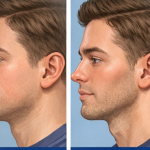
Whether you are young or old, some people end up with that annoying double chin even if they are not overweight. And while there are some ways to camouflage it, like wearing a turtleneck, that often is not practical or desired. Many times, that double chin or extra ‘neck’ is not seen or fully appreciated until one sees themselves in profile in a photograph. I have had many patients tell me that want initiated the consult was that they saw themselves in a school reunion, family picture, etc and they were surprised how they looked. Almost always, the surprise is the appearance of the jowl line and neck.
Double chins or neck waddles are the result of excess fat and hanging loose skin for some. In the younger patient, it may be a lot of extra fat and not so much extra skin although the weight of the fat pulls it down, making it look like there is more extra skin than there is. That distinction is important as it changes the strategy for what will be the most effective treatment.
If extra neck skin is not the dominant problem (usually the younger patient), then a fat-based treatment method shoudl be fairly effective. If the amount of fat or the double chin is small, then office-based Lipodissolve injections could be very effective. This is a slow process that takes months for maximal results to be seen. The biggest issue with Lipodissolve, however, is not the series of treatments but the swelling that will occur after each treatment session. It may only last for 4 or 5 days but the neck will essentially double in size for that time period. The most efficient treatment method for the fat neck would be liposuction. While that is surgery, it is both more efficient and effective and one only has to go through swelling and bruising of the neck one time.
When extra skin is a more significant issue, then a fat treatment alone will not work well and one will likely end up with even more loose sagging neck skin. In these cases, some type of neck lift (aka a facelift) must be done to remove the loose skin by lifting and working it out around the ear area where incisions can be placed more discreetly. In the older man, a direct neck lift can be done which is much simpler and highly effective although one has to be able to accept a fine line scar running from under the chin down to the adam’s apple.
Double chin reduction can be a very gratifying procedure and can be approached with Lipodissolve injections, liposuction, or some form of a facelift. The best procedure is the one that matches the cause of the double chin…too much fat, too much skin, or both.
Dr. Barry Eppley
http://www.eppleyoplasticsurgery.com/
http://www.ologyspa.com/
Clarian North Medical Center, Carmel, Indiana
Clarian West Medical Center, Avon, Indiana
Indianapolis


LipoDissolve, or the injection introduction of a fat-emulsifying chemical solution to treat small areas of excessive fat for cosmetic improvement, is a controversial procedure that is not FDA approved. (or even off-label as it has no approved medical uses) Despite its regulatory status in the United States, I have found LipoDissolve in my practice to be a valuable adjunct for mild to moderate fat reductions if it is used carefully and on those patients with very small fat issues. I have not experienced to date in over 150 patients any of its potential complications as reported on the internet and other media venues. I believe that my methods of rigid patient selection and keeping the number of injections per treatment sessions limited is the basis for my very favorable patient experience. All patients do get a fair amount of swelling in the treated areas for the first week with some discomfort but they are well apprised that this will occur prior to treatment. The amount of fat reduction has met most patient’s expectations whichi have been kept to a modest level by thorough pre-treatment counseling. One application that I have found particularly useful is in the treatment irregularities or residual fat areas AFTER liposuction surgery.
Even in the best of hands, some small percentage of liposuction patients will have irregularities in the skin over the treated areas. These areas may be made up of either depressions (too much fat removed), high spots (not enough fat removed), or some admixture of both. The decision to treat any of these residual liposuction issues should be delayed for at least 6 weeks after surgery and ideally not until 3 months after the original procedure, giving the body time to completely heal and resolve temporary irregular areas due to swelling and retained fluids such as blood. Once an irregular area is confirmed and the target is stable (meaning it will not improve with any more time and everyone is certain of that), it must then be determined what the cause (too much or little fat left) of it is. Depressed areas can only be treated by fat injections through another surgery. Elevated or too high areas represent too much fat still which can be improved by further fat removal. This is where the role of LipoDissolve can be very valuable.
The thought and expense of returning to surgery is not appealing to patient and plastic surgeon alike. Plus, to get at the area a long straight cannula from afar must be introduced which will traumatize some treated areas which look fine and has the potential of causing another ‘problem’ while trying to solve the current one. A spot treatment, like LipoDissolve, is ideal. It can be injected directly into the problem area, in the office, with no recovery, and at a very low cost. Most ‘high spots’ after liposuction are generally small and each area may only require a few injections. While it may require a few injections sessions over several months to get the desired result, the ease of LipoDissolve administration and the ability to place it exactly where the problem is makes it a better solution to those postoperative liposuction issues where too much fat is the cause.
Dr. Barry Eppley
http://www.eppleyplasticsurgery.com
http://www.ologyspa.com
Clarian North Medical Center, Carmel, Indiana
Clarian West Medical Center, Avon, Indiana
Indianapolis


July 4, 2008

Getting Rid Of Fat - Liposuction vs. Lipodissolve

Author: barryeppley

Even though we are in the middle of the summer (or maybe because we are), you may have decided to get serious about getting rid of those unsightly fat areas that diet and exercise just won’t. But with different methods of fat removal available, which one is right for you? It may be tempting to think that a non-surgical method such as LipoDissolve which offers low cost and no recovery time is best, but let’s examine the facts first.
Traditional liposuction is still the gold standard to which all other methods of fat removal must be compared. Done through small incisions near where the fat is to be removed, a small thin hollow tube (cannula, about the width of a pencil or less)) is placed underand the dislodg the skin. By moving the cannula back and forth, fat is dislodged and the vacuum to which the cannula is attached removes the loose fat. This is the preferred method among board certified plastic surgeons for removing larger amounts of fat tissue and has been used in the United States for almost thirty years.All liposuction today is done with the tumescent or wet technique which keeps blood loss to only about 1% of the total fat removed. Liposuctioned fat volumes removed today are kept around five or six liters in a single operation to keep the risk of complications low. Serious side effects with liposuction are very rare. The most common problem with liposuction is skin irregularities but this problem is kept limited when done by skilled and experienced hands. Very good results can be obtained in the neck, stomach, waistline, outer thighs, and knees. More modest results are seen in the arms, back, inner thighs, and buttocks.
Liposuction done with the aid of a laser, also known as Smart Lipo, is one of the newer FDA-approved types of liposuction. A laser is inserted through tiny incisions in the skin. When the laser is fired, it melts the fat purportably tightening the skin at the same time. Smart Lipo has not been proven to produce better results than traditional liposuction but may be an alternative for removing smaller fat areas. This is certainly the way it is currently being sold, particularly to non-plastic surgeons which make up a significant percent of the targeted market. Because the removed fat volume is more limited, serious side effects are unlikely. The real question in my mind is whether Smart Lipo can help perform smaller liposuction procedures under local anesthesia in the office setting. This is where it would offer an advantage over traditional liposuction.
Lipodissolve, also known as injection lipolysis, uses a mixture of emulsifying chemicals (lecithin and cholic acid) which are injected under the skin to the targeted fat areas. This is a non-FDA approved treatment method although in my experience has proven to be safe. I have not seen any of the complications that are widely reported. Lipodissolve is certainly not a replacement or alternative to liposuction. It is best viewed as a fat removal technique when any form of liposuction is a bigger solution than the problem justifies. It is done as a series of injection done in the office over three or four months.I have found that it works well for small fat areas in the neck, jowls, bra rolls, stomach, flanks, thighs, and knees. The emphasis here is on the concept of small fat area, geernally no bigger than the size of my hand. The biggest issue with liposuction is whether the results, and time to get them, justify the cost. It is also a great method to touch-up any excess areas of fat after a liposuction procedure.
Dr. Barry Eppley
http://www.eppleyplasticsurgery.com
http://www.ologyspa.com
Clarian North Medical Center, Carmel, Indiana
Clarian West Medical Center, Avon, Indiana
Indianapolis


May 16, 2008

Plastic Surgery in the HIV/AIDS Patient

Author: barryeppley

I have seen numerous patients over the years who are positive with the HIV virus, otherwise known as the acquired immunodeficiency syndrome (AIDS) and probably some that had the virus but it was unto them or they did not disclose it. Thesd patients fall into two categories of procedural requests; those patients seeking typical cosmetic procedures and those patients who have the adverse effects of antiretroviral therapies known as the lipodystrophy syndrome. In either case, there is always the question of the adviseability of performing elective plastic surgery. Are the patients healthy enough so that they are not at increased infection and complication risks?….and….What is the real risk to the operative team in terms of potential disease transmission?
In an excellent article in Plastic and Reconstructive Surgery (May 2008), Dr. Steve Davison of Georgetown University reviews these basic issues. In HIV positive patients, they can safely undergo elective plastic surgery provided that a thorough preoperative workup has been performed. Patients with CD4 counts greater than 200 and low viral loads have surgical risks that are similar to the general population. There is no evidence to support the historic contention that they have poor or compromised wound healing. Increased surgical risks are in those patients whose CD4 counts are less than 200 or have viral loads greater than 10,000. The risk of disease transmission to the surgical team is not precisely known but is estimated to be around 0.3% for penetrating injuries from surgical sharps, a rate that is less than 10% that of hepatitic C exposure which is far more dangerous.
In my practice, I generally see known HIV-positive patients for facial lipoatrophy of the cheek and temple areas and fat accumulation of the back of the neck (buffalo hump). Both of these can be managed by non-surgical options although I find the surgical alternatives to give superior results. Injectable fillers, such as Scuptra, Radiesse, and ArteFill can be used to correct the typical patterns of facial wasting but they do require large volumes of injectate and numerous sessions. They quickly become as costly as surgery. A surgical alternative are submalar implants and fat grafting whichi I have found quite satisfying even if 100% of the fat does not survive. Buffalo hump reduction (dorsocervical fat accumulation) can be treated by LipoDissolve injections if the area is not too large but it usually takes at least 3 sessions over a greater number of months to get a reasonable result. Ttraditional liposuction is far more efficient and can take away a larger amount of excess fat in an obviously shorter time.
I have found performing plastic surgery on HIV positive patients to be rewarding and well appreciated. They often suffer the stigmata of their disease and wish its improvement to improve their self-esteem and improved social acceptance. I have seen no greater incidence of complications in this patients than any other types of patients.
Dr. Barry Eppley
http://www.eppleyplasticsurgery.com
http://www.ologyspa.com
Clarian North Medical Center, Carmel, Indiana
Clarian West Medical Center, Avon, Indiana
Indianapolis