Archive for the 'fat injections' Category


March 22, 2008

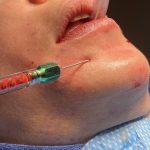
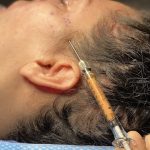
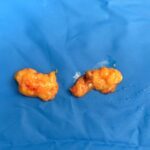
Fat, Liposuction, and Fat Injections

Author: barryeppley

As a plastic surgeon, I certainly am asked and do treat a lot of fat concerns. Whether it be liposuction treatments for fat removal or fat injections for adding volume somewhere, plastic surgeons probably handle more fat than any other medical specialty. Yet, we still do not understand much of its physiology and its response to treatments that we routinuely do.

In looking around at a lot of fat in the body, we do know that it is not all the same. Nor is its functions similar. Most patients think of fat as an unnecessary evil and that its only purpose is to store excess fat and be a source of annoyance and embarrassment. While many fat areas in the body are indeed ‘depot’ areas. Many other fat areas, however, are not. For example, fat in the cheek and temple area (the buccal fat pad) is not a depot area but is intended to serve as buffer between the jaw muscles and allow them to glide smoothly and not interfere with each other. Why the buccal fat pad, for example, goes away in the HIV patient due to the antiviral medications (and fat forms on the back of the neck…the buffalo hump deformity) is not understood at all. For the sake of simplicity in patient consultations, I divide fat into depot and non-depot sites. (although not entirely scientifically accurate) So when a patient asks me, for example, during a liposuction consult if the fat will come back, my answer is…..if it is removed frm a depot site such as the stomach, then if you gain weight after surgery it may most likely come back….if fat is removed from a non-depot site, such as the inner knees or neck, it is much less likely to do so.

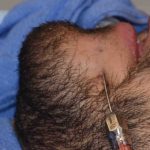
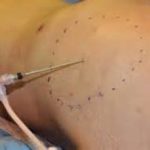
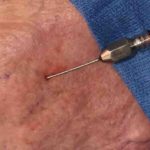
Fat transplantation, or fat injections, also remain a somewhat unpredictable procedure. The procedure is very appealing because it is your own natural tissue but, unfortunately, that does not mean that it always survives well (and maintains volume) after surgery. Much effort has been put into doing the obvious, such as minimizing the trauma to the fat by the way it is extracted and prepared to be injected as well as how it is placed. But, yet, how well it works is still unpredictable. We know even less about whether where it comes from (stomach vs. knee, for example) makes any difference in how well it works.

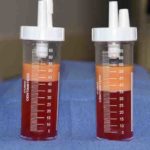
Fat, despite its preponderence and ever-presence, still has mysteries that remain to be unlocked. Fat is a hot research topic now because of the stem cell load that it carries. It is better than bone marrow in this regard as there is more of it and it is easier to get out. No one has ever thought of fat before as being a healing tissue. I frequently wonder as I watch a cannister of fat fill up during a liposuction procedure…..as to what potential benefits we may be throwing away.

Dr Barry Eppley

http://www.eppleyplasticsurgery.com

htp://www.ologyspa.com

Clarian North Medical Center, Carmel, Indiana

Clarian West Medical Center, Avon, Indiana

Indianapolis


February 3, 2008

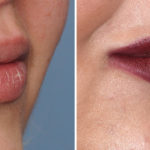
Lip Enhancement in Indianapolis

Author: barryeppley

Lip Enhancement in Indianapolis by Dr Barry Eppley

Improving the size and shape of the lips is a frequent cosmetic request and a very commonly performed aesthetic procedure done in the office. While the vast majority of lip enhancements are done by injectable fillers, and most patients are only aware of this approach, there are other less common but equally effective options.

Injectable fillers are the most common lip enhancement method and the hyalurons such as Restylane and Juvaderm are usually used. The longevity of hyaluron fillers, while touted differently amongst manufacturers, is in the range of 4 to 6 months. While longer-lasting injectable fillers exist, such as Radiesse and Aretfill, these contain particles which may be prone to lumpiness and foreign-body reactions. Because of their predictability and safety, with very few complications, hyaluron lip enhancement is the current gold standard.

There other other types of non-injectable lip fillers. Over the years, many collagen-based implants have been tried, such as Alloderm and Fascian. Unfortunately, while conceptually appealing, their longevity has not been shown to be any greater than the hyaluron fillers. But they are more expensive and cause much more lip trauma to place. As a result, they have fallen into disuse.

Despite the frequent touting of your own fat as an injectable filler, and reports of great longevity and possible permanency, most plastic surgeons have not had that experience. Fat in the lip is simply unpredictable. I will still use it…..when I am performing other procedures in the operating room where the use of fat is ‘easier’ than in the office and there is little to lose by doing so. I suspect that repeat fat injections over time do consistently work but that is fairly traumatic for a patient to go through.

Permanent lip augmentation can be done by synthetic implants known as Advanta. These very soft implants are threaded into the lips, corner to corner, by a metal trocar under local anesthesia. They are non-resorbable, fairly soft, and the volume added is permanent. They can definitely be felt in the lips but I have not had a patient yet who has reported that as a problem. I use Advanta when the patient is ‘qualified’, meaning they have tried injectable fillers first and want to move on to something permanent.

More surgical lip enhancement is known as vermilion advancements or subnasal lip lifts. While these are highly effective are making the lip bigger, they have a trade-off of permanent scars. A patient must be very willing to make this trade-off and accepting of fine-line scars. I use these in patients that have very thin lips and a very flat cupid’s bow and have ‘failed’ lip enhancement by fillers. (meaning it does not look good or do what the patient expected. Lip lifts are often most effective in the older patient whose lips (which were not big to start with) have shrunken with age.

As you can see, lip enhancement has lots of options. All work well at achieving larger lips….but not every enhancement procedure is for every patient.

Dr Barry Eppley
http://www.eppleyplasticsurgery.com
http://www.ologyspa.com
Clarian North Medical Center, Carmel, Indiana
Clarian West Medical Center, Avon, Indiana
Indianapolis


December 25, 2007

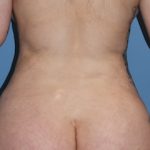
Fat Injections for Buttock Enlargement in Indianapolis

Author: barryeppley

Buttock Augmentation through Fat Injections by Dr Barry Eppley in Indianapolis

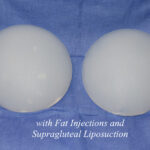
I have previously discussed buttock enlargement through the use of implants, known as implant or alloplastic gluteoplasty. Another popular option is buttock enlargement through the use of fat injections or transplants, known as autogenous gluteoplasty. Fat injections as a method for soft tissue volume enhancement is well known and has a good track history in the face where smaller amounts of fat are needed, usually in the range of 1 to 10ccs. In the buttocks, however, much larger amounts of fat are needed to make a significant size difference, usually in the range of hundreds of ccs per buttock.

Here in my practice in Indianapolis, I always discuss the merits of buttock implants vs fat injections for buttock enlargement. Fat injections to the buttocks have several advantages. First, it eliminates the need for a synthetic implant and all the inherest risks such as infection, implant malpositioning, and notoriously a seroma build-up or fluid collection. Second, the buttock enlargement operation is much simpler, less invasive and has less pain after surgery. Thirdly, the amount of recovery is dramatically different with no activity limitations after surgery unlike implants. Fourth, there is an added cosmetic bonus from the harvest at the donor site. Some other body area gets to be reduced at the same time, usually the abdomen, waistline, or thigh areas. A two-for-one bonus if you will.

However, despite these significant advantages, fat injections to the buttocks for enlargement has one big potential disadvantage. How much of the fat will survive and get the volume that was put in at the time of surgery? That is an unknown question. And the issue of volume retention of injected fat has persisted with the use of this fat technique since its inception. What we do know for certain is this; 100% of the fat will not survive. Somewhere in the range of 1% - 99% will be the amount of fat that will persist. In larger fat injection volumes, such as the buttocks (and there is no larger amount of fat that is injected anywhere), a good result is probably in the 50 - 60% range for most patients. Therefore, I always tell my patients here in Indianapolis this: I will over-correct with fat injections to the buttocks (I don’t think you can ever inject too much fat or get the buttocks too big as they will only hold so much) and be prepared that it will likely take more than one fat injection session to get the best volume improvement. Unlike a buttock implant, which remains the same after one surgery, fat injections to the buttocks are unstable and require more than one surgery to get close to the same result.

The most important question for patients who want to avoid a buttock implant by undergoing fat injections for buttock enlargement then is; is the price and recovery from possibly two surgeries better than having a buttock implant? That is a question that each patient has to decide on their own in consultation with their plastic surgeon.

Dr Barry Eppley
http://www.eppleyplasticsurgery.com
http://www.ologyspa.com
Clarian North Medical Center, Carmel, Indiana
Clarian West Medical Center, Avon, Indiana
Indianapolis


November 7, 2007

Fat Injections for Aged Hands

Author: barryeppley

Treatment for Aging Hands

The hands (along with the chest décolleté area) are one of the biggest age revealers on the body. The hands are the most frequently exposed to the sun and harsh weather…..usually with the least protection. The hands also spend a lot of time in wet environments, from washing dishes to washing the car. Because the hands have some of the thinnest skin on the body (the eyelids are the thinnest) with very little fat. As a result of this anatomy, veins on the hand become very prominent as we age. These thinning veiny hands, combined with liver spots, age them considerably in appearance.

To rejuvenate the back of the hands and lessen the bony, veiny appearance, fat injections offer a good solution. Fat is removed from somewhere on your body through liposuction, concentrated, and then injected and smoothed under the skin on the back of the hands. There is very little swelling and bruising and no pain after, with the exception of the harvest site. The result is instantaneous. Overfilling is usually necessary as there is some resorption of some portion of the injected fat. What you see at 3 months after surgery is usually fairly permanent. While results are ‘permanent’, you will continue to lose fat as you age, so additional sessions may eventually be necessary.

Because the fat needs to be sterile when transferred to the hands, the procedure usually performed in the operating room under sedation. It is often part of many different plastic surgery procedures performed at once, you may be asleep for it as well.

Dr Barry Eppley
www.eppleyplasticsurgery.com
www.ologyspa.com
Clarian North Medical Center, Carmel, Indiana
Clarian West Medical Center, Avon, Indiana
Indianapolis


The shape of the buttocks has taken on great interest in the past decade. Whether it be too big, too flat, or sagging with age, the interest in changing one’s buttock has never been greater. Each of these buttock problems are treated differently.

By far, the ‘simplest’ buttock problem to treat is the one in which the buttock is too big. The problem is ‘simple’ only because the only treatment approach is that of liposuction. The results from liposuction of the buttocks is usually modest and the patient must not have to high an expectation. Contrarily, one must avoid too aggressive liposuction as this may cause the skin of the buttocks to sag after being ‘over-deflated’ by the fat removal.

The flat buttock is treated either by implants or fat injections. Solid rubbery implants (which cannot leak) can be placed inside or on top of the muscle through a small incision in the upper buttock crease. Buttock implants are best for those patients who don’t have enough fat to transfer and want extra fullness in the upper portion of the buttocks. The implants generally don’t add much fullness to the lower portion of the buttocks. The discomfort with buttock implants is not insignificant and physical activity must be restricted for several weeks after surgery. Exercise can not be resumed for about 6 weeks after surgery. Surgical risks include infection, bleeding, fluid collections (seroma) around the implants, shifting of the implants, and uneven appearance between the two sides. Once you have buttock implants, removing them (if necessary) will lead to further disfigurement due to sagging skin……….Conversely, fat injections are useful when only a small increase in buttock size is needed. It is unpredictable how much injected fat will survive and multiple surgery sessions may be needed to get the desired result. Usually fat is simply redistributed……sucked from one undesired location and transferred to the buttocks. This gets a double benefit of contouring two areas which creates a better overall result.

The sagging buttock can be treated by two types of lifts. When only a small amount of skin is sagging over where the crease joins the back of the thigh (banana roll). This more limited buttock lift creates a scar in this crease and helps shape this lower buttock area. When the entire buttock needs to be lifted (usually in the bariatric surgery patient where a large amount of weight has been lost), a more aggressive lift is done by creating a ‘cutout’ of upper buttock and back skin (often done in conjunction with a tummytuck around the front, thus creating a 360 degree scar, a.k.a. a body lift). The buttock skin is then lifted and sewn upward, providing a lift to more of the entire buttocks.

Dr Barry Eppley
www.eppleyplasticsurgery.com
www.ologyspa.com
Clarian North Medical Center, Carmel, Indiana
Clarian West Medical Center, Avon, Indiana
Indianapolis


November 5, 2007

Fat Injections for Breast Defects

Author: barryeppley

Resection of small cancers or potential areas of malignant change, through a
lumpectomy excision, has become commonplace over the past decade in lieu of a more extensive mastectomy procedure. This has created smaller breast contour defects which are not always amenable to standard breast reconstructive techniques which are often better suited to larger mastectomy defects.

 Fat injections, a commonly used technique in facial cosmetic surgery, may have applications in smaller breast contour defects. Fat injections require harvesting the patient’s own fat. It is then prepared by concentrating the number of fat cells to be injected into a syringe from which it is injected back into the body. Small tunnels are made with the needle to create linear tracks underneath the skin. Such ‘fat lines’ are more capable of surviving because they are thinner and can get a blood supply quicker. Such fat injection techniques have enjoyed great popularity over the past decade. While fat survival is not always guaranteed, the fat that does take is relatively permanent and is natural.

Such fat injections have more recently been applied to breast lumpectomy defects
with good success. Because fat cells carry stem cells as well, they may help repair
damage to surrounding breast tissue and skin often caused by the use of radiation in
the prior treatment of the breast cancer. While this fat injection application is still
considered investigational, it is a promising application of an aesthetic technique
applied to breast reconstruction. How well and how long these fat injections last in
the breast requires further study in larger numbers of patients. Also, calcifications
may occur from incomplete fat survival and whether this interferes with breast
cancer detection remains to be determined.

Dr Barry Eppley
www.eppleyplasticsurgery.com
www.ologyspa.com
Clarian North Medical Center, Carmel, Indiana
Clarian West Medical Center, Avon, Indiana
Indianapolis


November 5, 2007

LipoDissolve - Frequently Asked Questions

Author: barryeppley

Q. What is LipoDissolve®?

LipoDissolve® is a treatment utilizing a combination of naturally occurring compounds administered through a series of micro-injections for the purpose of subcutaneous fat reduction. LipoDissolve® injections reduce the size of localized fat deposits and cause skin retraction in body regions where treated. It is an excellent non-surgical alternative for those patients seeking minimally invasive techniques to improve body contour. It is not a treatment for weight reduction but rather a procedure for improving shape and reducing targeted fat.

Q. What is the solution being injected?

LipoDissolve® consists of phosphatidycholine and deoxycholate (fosfa-tid-ul-koleen and de-oxy-kolate). Phosphatidycholine (PPC) is a naturally occurring substance within the body that comprises up to 60% of cell membranes, facilitates cell membrane transport, and is a component in bile that is responsible for emulsifying the fat we consume in our diet for absorption. The PPC used in most injectable fat reducing formulas is derived from soybean lecithin. Deoxycholate, present in the body as sodium deoxycholate, is a bile salt that functions to make the PPC soluble in water. It acts as a detergent and also aids in the breakdown of fat consumed in our diet. Benzyl alcohol is present in the solution as a preservative and antimicrobial.

Q. How does it work?

First, the injected solution disrupts the fat cell membrane. This causes the cells to burst, releasing their enzymes and fatty content. Second, an inflammatory response ensues, allowing the debris to be “cleaned up” by the macrophages that have migrated to the area. This inflammation is responsible for the redness and soreness but also allows for tissue retraction (tightening). Lastly, new collagen is deposited in the area, causing skin retraction with denser, firmer skin character. The fat and cellular debris that are removed are collected as waste and excreted through the body’s normal metabolic pathways (urine by the kidneys and air by the lungs).

Q. Is this procedure safe?

LipoDissolve® is very safe when injected in appropriate candidates by trained practitioners using a standardized solution. It is supported by clinical studies and research in South America, Europe and in the U.S. PCC was first isolated in 1959 in Russia and used for the intravenous treatment of fat embolism. Since then, many other uses have been identified with IV or oral use including improvement in: cardiac disease, elevated triglycerides and cholesterol, liver conditions, bipolar depression, Alzheimer’s syndrome, hypothyroidism, and insulin resistance. In 1988, the first injections for cosmetic uses were reported with success. As of 2005, in the U.S. and other countries, more than 50,000 patients have been treated with successful cosmetic improvement and no long-term side effects or complications.

Q. Does it hurt and what are the side-effects?

Several injections are delivered in the treated area using a small gauge needle. Most people experience only mild discomfort that is very tolerable. Common side-effects are a burning or stinging sensation that frequently lasts for up to an hour after the injections. Taking Tylenol before treatment can help minimize this. Some patients will notice bruising or discoloration that fades with time. All patients experience mild to significant localized swelling and redness in the treated area. This is normal and expected. The majority of the swelling will subside after 2-3 days. Occasionally, an itching sensation is described as the inflammation resolves, and taking an anti-histamine such as Benedryl™ can help alleviate this. Patients will notice the formation of slightly tender lumps or nodules under the skin, which is expected as the fat is dissolved. This reaction is temporary.

Q. How do I know if I am a good candidate?

Each patient will receive a consultation and medical evaluation by our board-certified Plastic Surgeons and specialty-trained nurses. During this meeting, a medical history questionnaire will be reviewed with you allowing any concerns to be addressed. Our staff maintains the highest level of training and expertise available; and we take your aesthetic healthcare very seriously. There are some medical conditions that will prevent a patient from being treated and these will be discussed with you at the time of the evaluation. The ideal candidate is healthy and is within range of their medically ideal body weight with respect to their height. This procedure works best for those with isolated problem areas that are resistant to diet and exercise and not for those seeking to lose weight.

Q. What are the areas that can be treated and how often?

LipoDissolve® is ideal for treating the neck, jowls, cheeks, abdomen, upper/lower back, upper arms, hips, thighs, knees, buttocks, and love handles. It is also utilized for treating the following conditions: gynecomastia, lipomas, and uneven contour from liposuction.
The frequency of your treatments will depend on the body area and how much fat needs to be dissolved. Typically patients will return every 3-4 weeks for a total of 3 treatments.

Q. Is there any downtime and how soon will I see results?

One of the advantages of LipoDissolve® versus surgical alternatives is that it is minimally invasive and patients can typically return to normal activity immediately. While some tenderness and discomfort is to be expected, the treatments are very well tolerated. Perhaps that is why some have dubbed this procedure “lunchtime lipo”. The minimal disruption in their daily schedule is why most find this procedure very appealing. On the average, patients begin to see noticeable improvement after 3 weeks from the first treatment, although we cannot guarantee this for every patient. Best responses are seen after all treatment sessions are completed, within thirty days after the last treatment. Often, we inform patients that for the first several weeks while the body’s inflammatory response is prominent, they will feel “bloated” in the treated area. This is expected and only temporary. Once the body begins metabolizing the fat, contour improvement occurs.

Dr Barry Eppley
www.eppleyplasticsurgery.com
www.ologyspa.com
Clarian North Medical Center, Carmel, Indiana
Clarian West Medical Center, Avon, Indiana
Indianapolis